

Article
Sustainable Transport Consulting
As transport is often the largest source of emissions in supply chains, Hatmill supports businesses in designing and delivering data-led sustainable transport solutions that reduce emissions, control costs, and strengthen ESG performance across logistics operations.
Sustainability in Transport
What is Sustainable Transport Logistics?
Sustainable transport logistics is the practice of designing and operating transport networks that reduce carbon emissions, improve efficiency, and meet environmental and regulatory expectations. It encompasses vehicle selection, route optimisation, driver behaviour, alternative fuels, network design, and operational planning – all aligned to deliver lower-carbon logistics while maintaining service levels and commercial viability.
Sustainable transport has moved from a long-term ambition to an operational and commercial priority. Transport is frequently the single largest contributor to Scope 1 and Scope 3 emissions, particularly within logistics-intensive businesses. Rising fuel costs, tighter emissions standards, customer scrutiny, and expanding ESG reporting requirements mean organisations can no longer rely on incremental improvements.
The transport landscape is changing rapidly. Electric vehicles, alternative fuels, low-emission zones, and advanced optimisation tools are reshaping how goods move through supply chains. Businesses that fail to adapt risk higher operating costs, regulatory exposure, and reduced competitiveness.
Hatmill takes a practical, data-driven approach. We combine transport consulting expertise with digital insight to help organisations understand their emissions, identify impactful interventions, and deliver change at pace. By linking transport strategy with ESG goals, regulatory compliance, and operational performance, we help organisations transition towards lower-carbon logistics while maintaining service levels and commercial viability.
Sustainable Transport Solutions
Transport Carbon Emissions & Footprint Assessment
Understanding transport emissions is the foundation of any sustainable transport strategy. Hatmill helps organisations measure and analyse the carbon footprint of their transport and logistics operations, including owned fleets, subcontracted transport and wider supply chain activity. By establishing a clear emissions baseline, businesses gain visibility into where carbon is generated and which activities have the greatest impact. This supports accurate Scope 1 and Scope 3 reporting and provides a robust starting point for reduction strategies. Without this insight, sustainability initiatives risk fragmentation or misdirection. Hatmill uses recognised methodologies and reliable data sources to ensure emissions calculations are accurate, auditable and…
Understanding transport emissions is the foundation of any sustainable transport strategy. Hatmill helps organisations measure and analyse the carbon footprint of their transport and logistics operations, including owned fleets, subcontracted transport and wider supply chain activity.
By establishing a clear emissions baseline, businesses gain visibility into where carbon is generated and which activities have the greatest impact. This supports accurate Scope 1 and Scope 3 reporting and provides a robust starting point for reduction strategies. Without this insight, sustainability initiatives risk fragmentation or misdirection.
Hatmill uses recognised methodologies and reliable data sources to ensure emissions calculations are accurate, auditable and aligned with reporting frameworks. Where data quality varies, we support organisations in improving maturity over time, moving from high-level estimates to more detailed, activity-based data.
Crucially, emissions assessment is not treated solely as a reporting exercise. The results are used to identify practical opportunities such as fleet efficiency improvements, routing changes, network redesign or fuel transitions. This ensures that measurement directly informs action and enables ongoing year-on-year monitoring of progress.

×
![]()
Sustainable Transport Solutions
Switching to Alternative Low Emission Fuels
Alternative fuels and energy sources play a key role in reducing transport emissions, particularly where full electrification is not yet viable. Hatmill helps organisations evaluate low- and zero-emission fuel options for their specific operations, routes, and fleet profiles. Options such as Hydrotreated Vegetable Oil, biomethane, electricity and emerging fuel technologies each bring different carbon, cost and availability considerations. Hatmill supports businesses in assessing feasibility, modelling impacts, and building realistic transition pathways rather than adopting one-size-fits-all solutions. We consider vehicle compatibility, infrastructure requirements, fuel availability and supply chain resilience to ensure decisions are operationally sound. By modelling both carbon and cost…
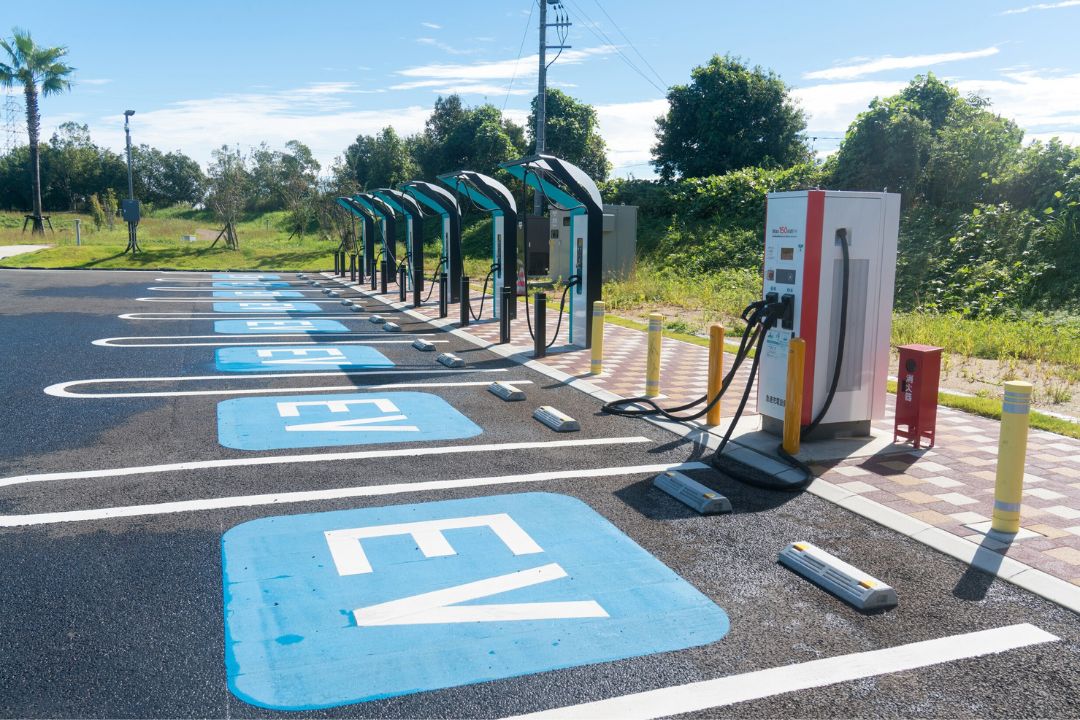
Alternative fuels and energy sources play a key role in reducing transport emissions, particularly where full electrification is not yet viable. Hatmill helps organisations evaluate low- and zero-emission fuel options for their specific operations, routes, and fleet profiles.
Options such as Hydrotreated Vegetable Oil, biomethane, electricity and emerging fuel technologies each bring different carbon, cost and availability considerations. Hatmill supports businesses in assessing feasibility, modelling impacts, and building realistic transition pathways rather than adopting one-size-fits-all solutions.
We consider vehicle compatibility, infrastructure requirements, fuel availability and supply chain resilience to ensure decisions are operationally sound. By modelling both carbon and cost impacts, organisations can make informed choices that align with both commercial priorities and sustainability goals.
Hatmill helps integrate alternative fuel strategies into wider transport planning, ESG commitments and reporting frameworks, ensuring they contribute meaningfully to long-term decarbonisation rather than acting as isolated initiatives.
×
![]()
Sustainable Transport Solutions
Planning for Electric Vehicle Transition
Electric vehicles represent a major opportunity to reduce transport emissions, particularly for urban and regional logistics. However, successful adoption requires careful planning beyond vehicle selection alone. Hatmill supports organisations in planning for the electric vehicle transition in a structured, data-led way. This includes assessing route suitability, vehicle range, payload requirements and operational constraints. We help businesses understand which parts of their fleet are best suited to electrification and where alternative solutions may be required in the short- to medium-term. Infrastructure readiness is critical. Hatmill supports organisations in defining depot charging needs and future expansion requirements, working alongside specialist partners where…
Electric vehicles represent a major opportunity to reduce transport emissions, particularly for urban and regional logistics. However, successful adoption requires careful planning beyond vehicle selection alone. Hatmill supports organisations in planning for the electric vehicle transition in a structured, data-led way.
This includes assessing route suitability, vehicle range, payload requirements and operational constraints. We help businesses understand which parts of their fleet are best suited to electrification and where alternative solutions may be required in the short- to medium-term.
Infrastructure readiness is critical. Hatmill supports organisations in defining depot charging needs and future expansion requirements, working alongside specialist partners where detailed grid capacity assessments are required. We also consider the interaction between vehicle charging and the site’s broader energy use to ensure Scope 2 impacts are understood and managed as part of the wider transition.
By taking a phased approach aligned with fleet renewal cycles, Hatmill helps organisations reduce risk, avoid unnecessary cost and build confidence in their transition to electric vehicles.

×
![]()
Sustainable Transport Solutions
Sustainable Route Planning & Delivery Optimisation
Route planning and delivery optimisation are essential for reducing transport emissions and improving efficiency. Poor routing increases mileage, fuel consumption and operating costs. Hatmill helps organisations redesign routing strategies to minimise emissions while maintaining service levels. Using transport network analysis and optimisation tools, we assess route structures, delivery frequency and vehicle utilisation. This enables organisations to reduce unnecessary miles, improve drop density and align vehicle choice with route characteristics. Where appropriate, this also includes assessing opportunities to shift freight to lower-carbon modes, such as rail or intermodal, as part of a broader multimodal transport strategy. These decisions support both carbon…
Route planning and delivery optimisation are essential for reducing transport emissions and improving efficiency. Poor routing increases mileage, fuel consumption and operating costs. Hatmill helps organisations redesign routing strategies to minimise emissions while maintaining service levels.
Using transport network analysis and optimisation tools, we assess route structures, delivery frequency and vehicle utilisation. This enables organisations to reduce unnecessary miles, improve drop density and align vehicle choice with route characteristics.
Where appropriate, this also includes assessing opportunities to shift freight to lower-carbon modes, such as rail or intermodal, as part of a broader multimodal transport strategy. These decisions support both carbon reduction and network resilience.
Hatmill focuses on embedding sustainable routing principles into everyday planning processes, ensuring improvements are sustained rather than one-off exercises.

×
![]()
Sustainable Transport Solutions
Load Consolidation & Backhaul Optimisation
Vehicle utilisation is a key driver of transport emissions. Poor load fill and empty running result in unnecessary journeys and wasted capacity. Hatmill helps organisations improve load consolidation and optimise backhauls to increase transport efficiency and reduce emissions across logistics networks. This involves reviewing order profiles, delivery patterns and network design to identify opportunities for consolidation. By aligning shipment sizes, delivery frequencies and routing strategies, organisations can reduce the number of trips required while maintaining service levels and customer expectations. Optimising backhauls is equally important. Hatmill supports organisations in identifying return load opportunities, collaborative transport models, and network redesign options…
Vehicle utilisation is a key driver of transport emissions. Poor load fill and empty running result in unnecessary journeys and wasted capacity. Hatmill helps organisations improve load consolidation and optimise backhauls to increase transport efficiency and reduce emissions across logistics networks.
This involves reviewing order profiles, delivery patterns and network design to identify opportunities for consolidation. By aligning shipment sizes, delivery frequencies and routing strategies, organisations can reduce the number of trips required while maintaining service levels and customer expectations.
Optimising backhauls is equally important. Hatmill supports organisations in identifying return load opportunities, collaborative transport models, and network redesign options that improve asset utilisation and reduce empty or partially loaded running. These improvements deliver immediate benefits in fuel efficiency, emissions reduction and cost control.
Many of these opportunities extend beyond a single organisation. By improving coordination across supply chains and working with logistics partners, businesses can increase utilisation across shared networks and reduce Scope 3 emissions, delivering both cost and carbon benefits.

×
![]()
Sustainable Transport Solutions
Sustainable Demand Forecasting & Capacity Planning
Accurate demand forecasting and capacity planning are critical to sustainable transport operations. Poor forecasting leads to inefficient resource use, reactive transport decisions and increased emissions. Hatmill helps organisations integrate sustainability and emissions considerations into forecasting and planning processes. Improved demand visibility allows transport capacity to be planned more effectively, reducing the need for urgent or suboptimal movements. This supports better vehicle utilisation, improved routing and lower emissions. Hatmill works with clients to align demand planning, inventory strategy and transport capacity, ensuring sustainability is considered alongside cost and service objectives. This joined-up approach reduces waste, improves resilience and supports long-term emissions…
Accurate demand forecasting and capacity planning are critical to sustainable transport operations. Poor forecasting leads to inefficient resource use, reactive transport decisions and increased emissions. Hatmill helps organisations integrate sustainability and emissions considerations into forecasting and planning processes.
Improved demand visibility allows transport capacity to be planned more effectively, reducing the need for urgent or suboptimal movements. This supports better vehicle utilisation, improved routing and lower emissions.
Hatmill works with clients to align demand planning, inventory strategy and transport capacity, ensuring sustainability is considered alongside cost and service objectives. This joined-up approach reduces waste, improves resilience and supports long-term emissions reduction.

×
![]()
Sustainable Transport Solutions
Transport Regulatory Compliance
Transport regulations and environmental standards are evolving rapidly, particularly regarding emissions, clean air zones, and reporting requirements. Hatmill helps organisations understand and comply with current and emerging regulations across their transport operations.
This includes assessing exposure to low-emission zones, vehicle emissions standards and future policy changes. Proactive planning helps organisations avoid penalties, manage risk and make informed investment decisions.
Hatmill supports compliance as part of a broader sustainable transport strategy, aligning regulatory requirements with emissions reduction and operational improvements to deliver long-term value.

×
![]()
Sustainable Transport Solutions
ESG Reporting & Goal Setting
Sustainable transport plays a central role in ESG performance and reporting. Hatmill helps organisations set measurable transport-related sustainability goals aligned with recognised ESG frameworks and science-based targets. We support clients in translating emissions data into clear objectives, tracking progress and reporting outcomes with confidence. This ensures transport initiatives contribute directly to wider ESG commitments and stakeholder expectations, rather than sitting in isolation from broader sustainability strategies. To support delivery, Hatmill connects ESG reporting and goal-setting to practical action through its digital net-zero platform, developed in partnership with Flotilla. This enables organisations to link transport emissions data directly to sector-specific sustainability…
Sustainable transport plays a central role in ESG performance and reporting. Hatmill helps organisations set measurable transport-related sustainability goals aligned with recognised ESG frameworks and science-based targets.
We support clients in translating emissions data into clear objectives, tracking progress and reporting outcomes with confidence. This ensures transport initiatives contribute directly to wider ESG commitments and stakeholder expectations, rather than sitting in isolation from broader sustainability strategies.
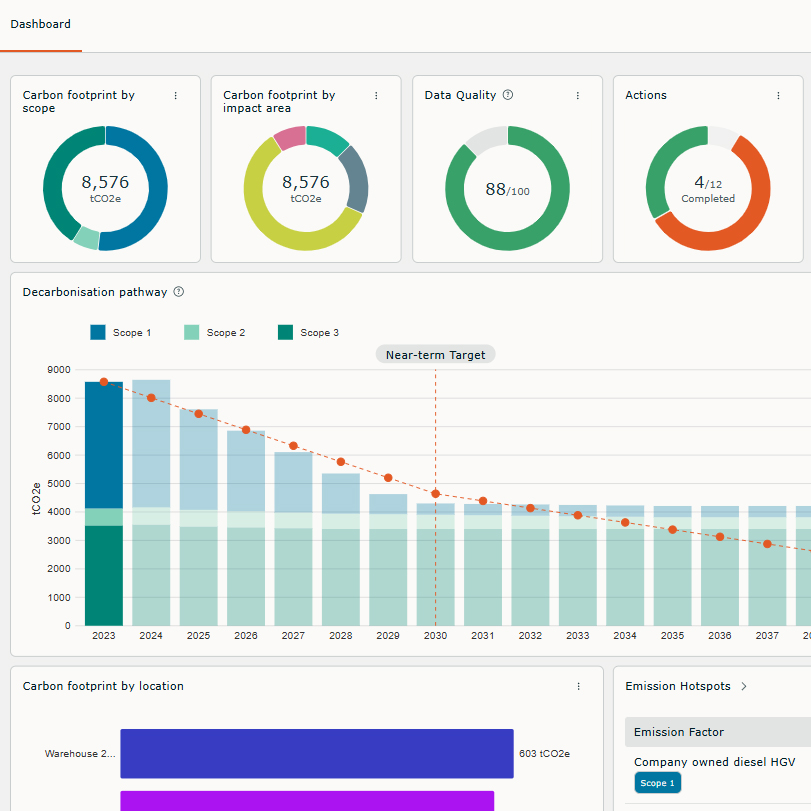
To support delivery, Hatmill connects ESG reporting and goal-setting to practical action through its digital net-zero platform, developed in partnership with Flotilla. This enables organisations to link transport emissions data directly to sector-specific sustainability actions, track the impact of initiatives over time and understand how measures such as fleet efficiency, alternative fuels, route optimisation and behaviour change contribute to overall performance.
By bringing data, actions and reporting together, organisations gain clear visibility into what is working, where further intervention is needed, and how transport initiatives support wider net-zero objectives.
×
![]()
Sustainable Transport Solutions
Behaviour Change Programmes
Driver behaviour has a significant impact on fuel use, emissions, and transport efficiency. Hatmill supports behaviour change programmes that encourage more efficient and sustainable driving practices, helping organisations reduce emissions while maintaining safety and service performance. Initiatives such as eco-driving, reduced idling, and smoother driving deliver immediate carbon and cost savings. We help organisations design programmes that combine data insight, training, and engagement to achieve lasting change rather than short-term improvement. Telematics plays a critical role. Hatmill supports organisations in making better use of existing telematics and fleet management systems, ensuring captured data is translated into meaningful insight and practical…
Driver behaviour has a significant impact on fuel use, emissions, and transport efficiency. Hatmill supports behaviour change programmes that encourage more efficient and sustainable driving practices, helping organisations reduce emissions while maintaining safety and service performance.
Initiatives such as eco-driving, reduced idling, and smoother driving deliver immediate carbon and cost savings. We help organisations design programmes that combine data insight, training, and engagement to achieve lasting change rather than short-term improvement.
Telematics plays a critical role. Hatmill supports organisations in making better use of existing telematics and fleet management systems, ensuring captured data is translated into meaningful insight and practical action. Where systems are not in place, we help identify the most appropriate solutions, working alongside specialist providers as required.
By linking telematics data to coaching, performance management, and engagement initiatives, organisations move from monitoring behaviour to actively improving it. This creates a feedback loop that supports continuous improvement and embeds sustainability into day-to-day transport operations.

×
![]()
“It is always useful to have an expert independent view on best practice. Hatmill has developed a great understanding of our business, and we continue to work towards implementing many of their suggestions.”
– Jo Richardson, Finance Director, Hugh Rice Group
Our services
Transport & Logistic Services
Transport Network Optimisation & Design
Network optimisation and design cuts costs and boosts service performance through advanced modelling, centre of gravity analysis, and strategic placement of depots, hubs, and distribution centres to build efficient, future-ready logistics networks that strengthen customer delivery performance.
Transport Management System (TMS)
Transport Management Systems (TMS) are software solutions that provide visibility and control over transport operations by integrating with systems like WMS, telematics, and ERP to manage everything from vehicle allocation and customer expectations to invoicing and proof of deliveries.
Fleet Optimisation
Hatmill helps organisations improve fleet performance through data-driven asset selection, maintenance planning, telematics insight, driver analysis, and long-term scenario planning – combining operational experience with the right balance of vehicles, data, processes, and people to reduce costs, improve reliability, and ensure fleets remain resilient and sustainable.
Ideas & Insights
Related Insights
Our guides, ideas and views. Explore our insights to deliver tangible improvements to your supply chain and logistics operations.