

Article
Sustainable Logistics
What are Scope 1 Emissions?
Scope 1 emissions are the direct emissions that come from sources a business owns or controls. In sustainable supply chain and logistics, they are often the most immediate contributors to a company’s carbon footprint. Common examples include the combustion of diesel and petrol in company-owned vehicles, the use of natural gas for heating warehouses, and the release of refrigerant gases from cooling systems in temperature-controlled storage. These activities release carbon…
Scope 1 emissions are the direct emissions that come from sources a business owns or controls. In sustainable supply chain and logistics, they are often the most immediate contributors to a company’s carbon footprint. Common examples include the combustion of diesel and petrol in company-owned vehicles, the use of natural gas for heating warehouses, and the release of refrigerant gases from cooling systems in temperature-controlled storage. These activities release carbon dioxide, methane, and other greenhouse gases directly into the atmosphere.
Why is it important to track Scope 1 Emissions?
Tracking Scope 1 emissions is essential because they often constitute a significant proportion of overall emissions and provide the clearest opportunities for immediate action. For example, fleet efficiency programmes, switching to alternative fuels, or investing in low-carbon heating solutions can directly reduce Scope 1 outputs.
Beyond compliance, accurately reporting Scope 1 emissions demonstrates transparency and accountability to customers, investors, and regulators. It also provides a benchmark for long-term carbon reduction strategies, including alignment with Science-Based Targets.
Hatmill supports businesses in mapping Scope 1 sources across their logistics and warehousing operations, calculating the emissions profile, and building practical plans to reduce them. By focusing on both operational efficiency and sustainability, we help clients tackle Scope 1 emissions in a way that delivers environmental and commercial benefits.
Scope 1 Categories
Stationary Combustion
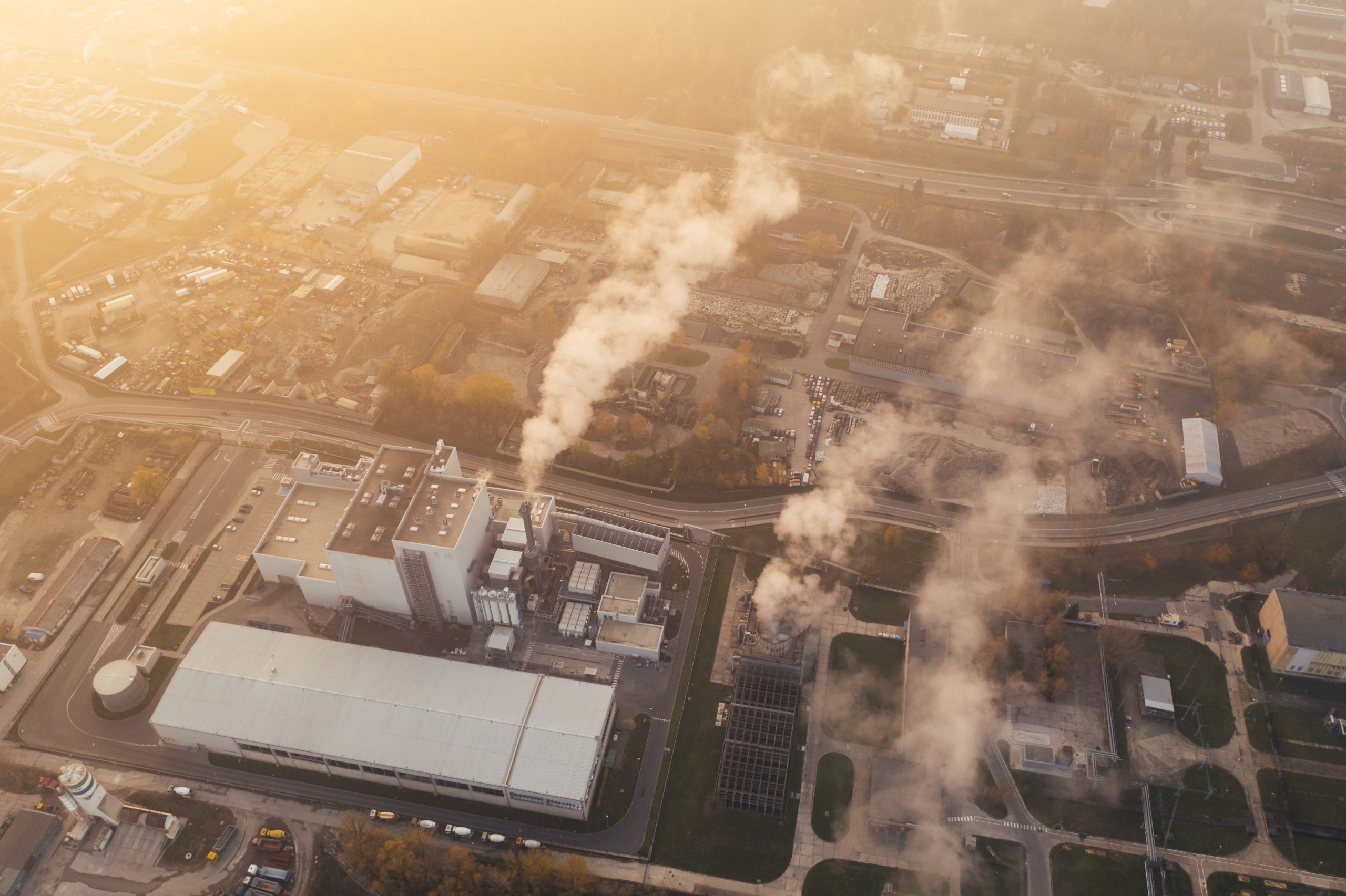
Stationary combustion refers to the burning of fuel in fixed equipment, such as gas boilers, warehouse heaters or on-site generators. In logistics and warehousing, these systems are essential for maintaining temperature control, powering backup generators and providing heat in large or older facilities. Standard fuels include natural gas, liquefied petroleum gas (LPG) and diesel, each contributing directly to Scope 1 emissions. Reducing emissions from stationary combustion starts with understanding where…
Stationary combustion refers to the burning of fuel in fixed equipment, such as gas boilers, warehouse heaters or on-site generators. In logistics and warehousing, these systems are essential for maintaining temperature control, powering backup generators and providing heat in large or older facilities. Standard fuels include natural gas, liquefied petroleum gas (LPG) and diesel, each contributing directly to Scope 1 emissions.
Reducing emissions from stationary combustion starts with understanding where and how energy is used. Opportunities include upgrading to electric or heat pump systems, installing smart building controls and improving insulation to reduce heat loss.
Hatmill supports clients in assessing warehouse energy performance, identifying carbon hotspots and implementing efficient alternatives. These steps lower both emissions and operating costs while supporting progress towards net zero.
- Fixed equipment burns fuel for heat and power.
- Natural gas, LPG and diesel create Scope 1 emissions.
- Energy assessments reveal carbon hotspots.
- Heat pumps, smart controls and insulation reduce emissions.
- Hatmill helps cut carbon and costs.
×
![]()
Scope 1 Categories
Mobile Combustion
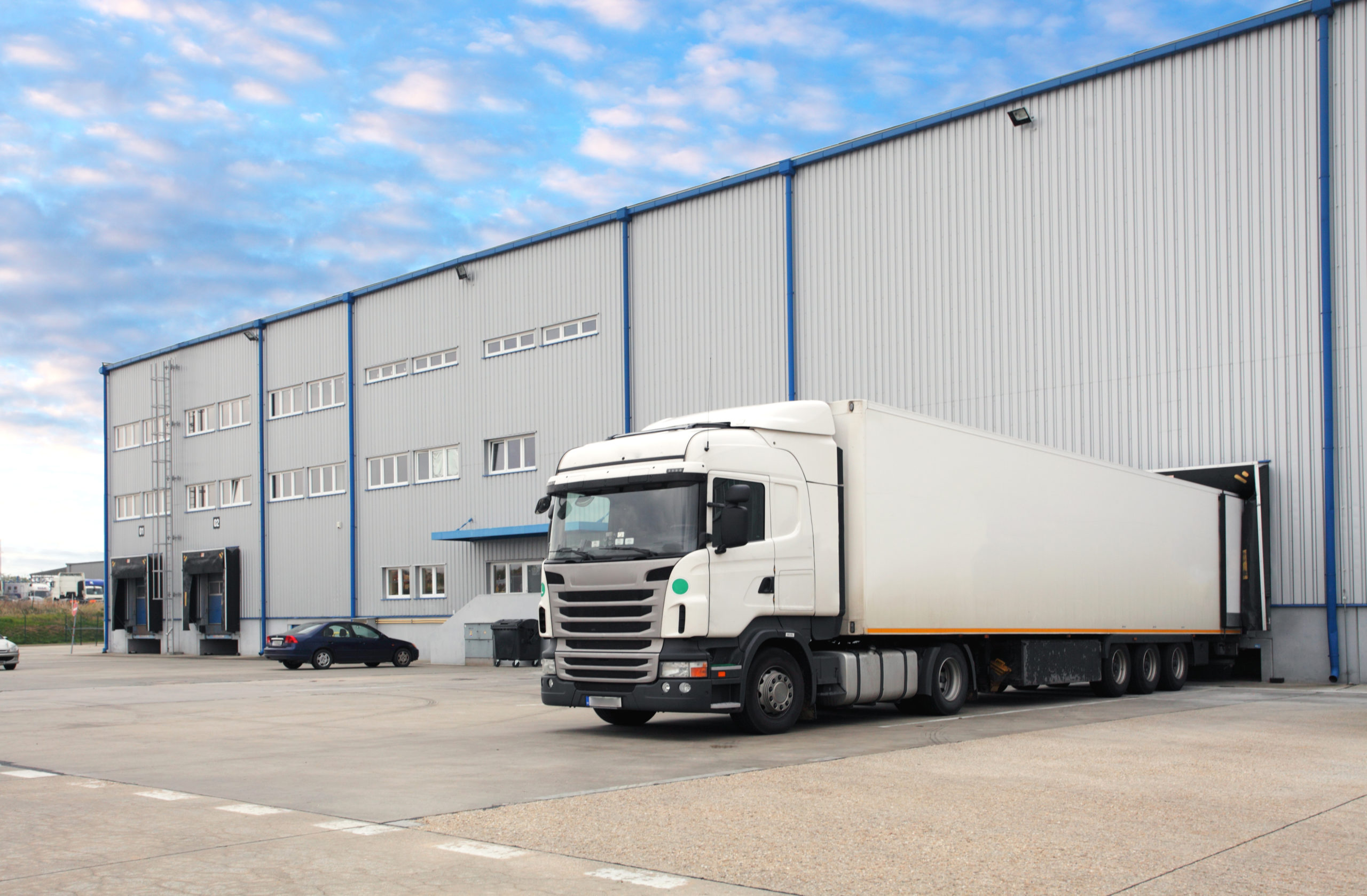
Mobile combustion covers fuel burned by vehicles or equipment owned or controlled by a business. For logistics and transport operations, this typically includes HGVs, vans, company cars and on-site equipment such as forklifts and yard tugs. Diesel remains the dominant fuel in heavy transport, making this category the most significant contributor to Scope 1 emissions across the sector. Improving efficiency can deliver both immediate and long-term benefits. Actions include driver…
Mobile combustion covers fuel burned by vehicles or equipment owned or controlled by a business. For logistics and transport operations, this typically includes HGVs, vans, company cars and on-site equipment such as forklifts and yard tugs. Diesel remains the dominant fuel in heavy transport, making this category the most significant contributor to Scope 1 emissions across the sector.
Improving efficiency can deliver both immediate and long-term benefits. Actions include driver training, fleet optimisation, preventive maintenance, and the use of telematics data to track fuel consumption. Many operators are also trialling or adopting lower carbon fuels such as Hydrotreated Vegetable Oil (HVO), biomethane or electricity as part of a broader transition strategy.
Hatmill helps organisations model the impact of these changes and plan practical steps towards decarbonising their fleet and material handling operations.
- Business vehicles and equipment burn fuel.
- Diesel fleets drive most Scope 1 emissions.
- Training, maintenance and telematics improve efficiency.
- HVO, biomethane and electricity cut carbon.
- Hatmill supports practical fleet decarbonisation.
×
![]()
Scope 1 Categories
Fugitive Emissions
Fugitive emissions refer to unintended leaks or releases of gases, most often from refrigeration, air conditioning or fire suppression systems. In supply chain and cold chain logistics, refrigerant leakage is usually a major contributor to a site’s carbon footprint, with gases that can have hundreds or even thousands of times the warming potential of carbon dioxide. Preventing leaks through regular maintenance, condition monitoring, and proper equipment handling is key. Many…
Fugitive emissions refer to unintended leaks or releases of gases, most often from refrigeration, air conditioning or fire suppression systems. In supply chain and cold chain logistics, refrigerant leakage is usually a major contributor to a site’s carbon footprint, with gases that can have hundreds or even thousands of times the warming potential of carbon dioxide.
Preventing leaks through regular maintenance, condition monitoring, and proper equipment handling is key. Many businesses are also switching to lower-impact refrigerants with reduced global warming potential.
Hatmill works with clients to review refrigerant management processes, identify risks and explore technologies that improve efficiency and reliability while reducing emissions.
- Fugitive emissions are unintended gas leaks.
- Refrigerants can have very high climate impacts.
- Maintenance and monitoring help prevent leaks.
- Lower-impact refrigerants reduce emissions.
- Hatmill improves refrigerant management and efficiency.

×
![]()
Scope 1 Categories
Process Emissions
Process emissions arise from chemical or physical processes rather than fuel combustion. In logistics and warehousing, these are typically limited but can occur in specific situations, such as the use of chemical cleaning agents, packaging treatments or dry-ice systems for temperature-controlled goods. While minor in scale, these emissions still need to be tracked for accuracy and transparency in reporting. Hatmill helps businesses identify even minor or occasional sources within their…
Process emissions arise from chemical or physical processes rather than fuel combustion. In logistics and warehousing, these are typically limited but can occur in specific situations, such as the use of chemical cleaning agents, packaging treatments or dry-ice systems for temperature-controlled goods.
While minor in scale, these emissions still need to be tracked for accuracy and transparency in reporting. Hatmill helps businesses identify even minor or occasional sources within their operations to ensure full compliance and a true reflection of their carbon footprint.
- Process emissions come from non-combustion activities.
- Sources include chemicals, packaging treatments and dry ice.
- These emissions are usually small but still matter.
- Tracking supports accurate and transparent reporting.
- Hatmill helps ensure compliance and complete carbon footprints.
×
![]()
“Throughout our time working with Hatmill, I have remained impressed with the organisation, focus and tenacity of the team, and they have been instrumental in helping our organisation reach some critical decision points. The team are engaging, personable and a pleasure to work with.”
– Phil Wright, Head of Logistics, Greggs
Scope 1 Emission Calculating and Reporting
Calculating and reporting Scope 1 emissions provides the foundation for every organisation’s carbon footprint. Hatmill helps businesses collect the correct data across fleets, warehouses and facilities, turning complex information into precise, auditable results. Using advanced digital tools, we make reporting accurate and straightforward, aligning outputs with recognised standards such as the Greenhouse Gas Protocol and Science Based Targets. Our focus is on helping clients understand their results and identify practical…
Calculating and reporting Scope 1 emissions provides the foundation for every organisation’s carbon footprint. Hatmill helps businesses collect the correct data across fleets, warehouses and facilities, turning complex information into precise, auditable results.
Using advanced digital tools, we make reporting accurate and straightforward, aligning outputs with recognised standards such as the Greenhouse Gas Protocol and Science Based Targets. Our focus is on helping clients understand their results and identify practical ways to reduce emissions in transportation, warehousing, and broader logistics operations. Scope 1, 2 & 3 Emissions Tracking Software
-
What is Scope 1 accounting?
Scope 1 accounting is the process of measuring and reporting the direct greenhouse gas emissions a business produces through its own operations. In logistics, this includes fuel used by company vehicles, gas heating in warehouses, and refrigerant leaks. Accurate accounting provides the foundation for effective carbon reduction planning.
-
What are some examples of Scope 1 emissions?
Common examples include diesel and petrol used in HGVs, vans and forklifts, gas heating in warehouses, and refrigerant leakage from cooling systems. Any fuel burned directly on site or by company-owned vehicles falls under Scope 1.
-
Why is tracking Scope 1 emissions important?
Tracking Scope 1 emissions helps businesses identify where they can reduce fuel use, improve efficiency and cut costs. For logistics and supply chain operations, it also supports compliance, enhances customer trust, and underpins credible net zero planning.
-
What is the Scope 1 emissions GHG Protocol?
The Greenhouse Gas Protocol provides the global standard for measuring and reporting emissions. It defines Scope 1, 2 and 3 boundaries and sets the rules companies follow to ensure their carbon reporting is consistent, transparent and comparable across sectors.
-
How are Scope 1 emissions calculated?
Scope 1 emissions are calculated by multiplying the amount of fuel or gas used by its relevant emissions factor. Businesses typically use recognised conversion factors published by the UK Government or similar authorities to ensure accuracy and consistency in reporting.
-
What are the four categories of Scope 1 emissions?
The four main categories are:
1. Stationary combustion – fuel burned in fixed equipment such as boilers or generators
2. Mobile combustion – fuel burned by owned vehicles and yard tugs
3. Fugitive emissions – leaks from refrigeration or air conditioning systems
4. Process emissions – gases released from chemical or physical processes
Scope 2 Emissions
Scope 2 emissions are the indirect greenhouse gases from purchased energy, such as electricity for warehouses, cold storage, or EV charging. At Hatmill, we help businesses cut these emissions through energy efficiency, renewable power, and sustainable operations.
Scope 3 Emissions
Scope 3 emissions are the indirect greenhouse gases across a company’s value chain, from transport and packaging to suppliers and waste. At Hatmill, we help organisations map, measure, and reduce these often complex but critical emissions.
Scope 1, 2 & 3 Emissions Tracking Software
Tracking emissions across transport, warehousing, and supply chains is evolving from manual spreadsheets to smarter, connected digital systems. Through our partnership with Flotilla, Hatmill helps businesses gain clear, data-driven insight to manage and reduce emissions across their operations.
Work with us
Send us a message
Share a few details with us and we’ll be in touch with you shortly.
Ideas & Insights
Related Insights
Our guides, ideas and views. Explore our insights to deliver tangible improvements to your supply chain and logistics operations.