

Article
Food and Drink Supply Chain & Logistics
The food and drink sector spans production, processing, distribution, and sale of consumables, from farms and manufacturers to retailers, restaurants, and hospitality. It’s a vital European industry with over €1.2 trillion turnover, employing more than 4.7 million people. This fiercely competitive sector is constantly evolving to meet consumer demands for health, convenience, and sustainability.
Overview
Optimising Food and Drink Logistics Across the UK
The food and drink sector faces stringent compliance requirements, particularly around temperature control and safety standards, whilst managing diverse products with unique storage and handling needs. E-commerce growth, supply chain globalisation, and technological advances drive expansion, but economic uncertainty, natural disasters, pandemics, and labour shortages demand resilient operations. With 40-50% of UK food being imported, supply chain risk management is critical.
Competition is intense, and consumers have endless choices. Accurate demand forecasting, inventory management, and timely replenishment are essential, as poor availability or quality drives customers to competitors. The growth opportunity is significant, but success requires supply chains that balance risk and cost efficiency through process automation, inventory reduction, waste minimisation, and sustainability.
Understanding your end-to-end supply chain performance, capacity, and capability is vital. Hatmill helps food and drink businesses develop supply chain strategies aligned to commercial objectives, identifying where and when to invest in warehousing, transport, forecasting systems, automation, or outsourcing. We test plans against ‘what if’ scenarios to validate decisions and build resilience.
How Can Hatmill Help?
With over 15 years of sector experience, Hatmill uses proven methodologies to assess your needs from strategy through to seamless solution integration. For businesses where logistics isn’t a core function, our expert 3PL outsourcing and tender management service helps you find the ideal partner.
Industry Specific Services
Cold Chain Logistics
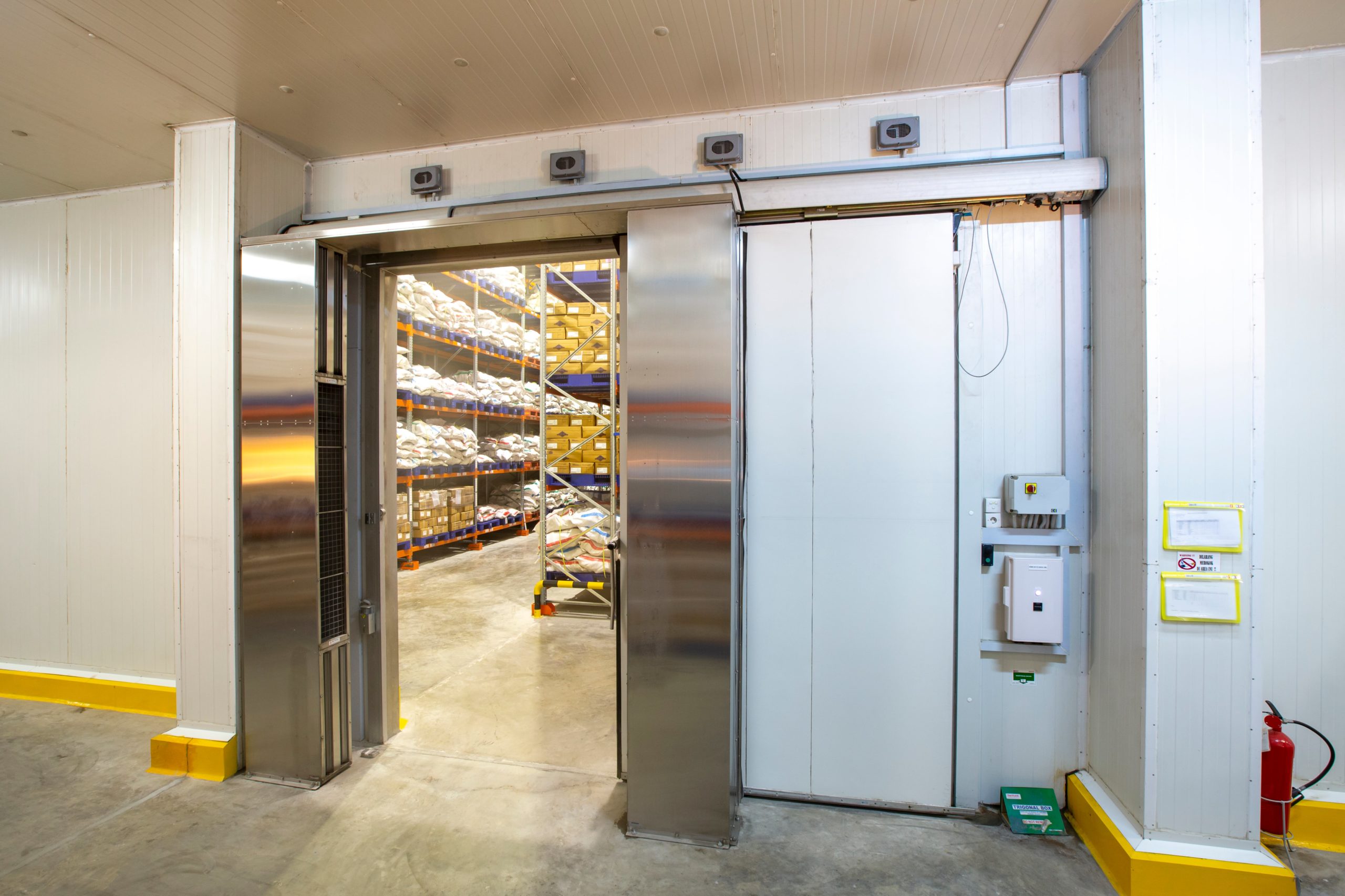
The food and drinks sector, like many others, faces several challenges; however, first and foremost is compliance with industry regulations, which often requires strict adherence to temperature control and other safety standards to ensure product quality and safety. This is particularly essential for perishable food products such as dairy, meat, seafood, fruits, and vegetables, which are extremely sensitive to temperature fluctuations.
Effective cold chain management preserves the safety, quality, and shelf life of these items. Perishable foods are prone to spoilage, which can result in changes to their taste, texture, appearance, and nutritional value. Cold chain management helps retain the original characteristics of food products, reduces the risk of waste, and maintains quality.
Our team have both project and operational management experience working with manufacturers and retailers across both chill and frozen temperature environments.
×
![]()
Perishable Inventory Management
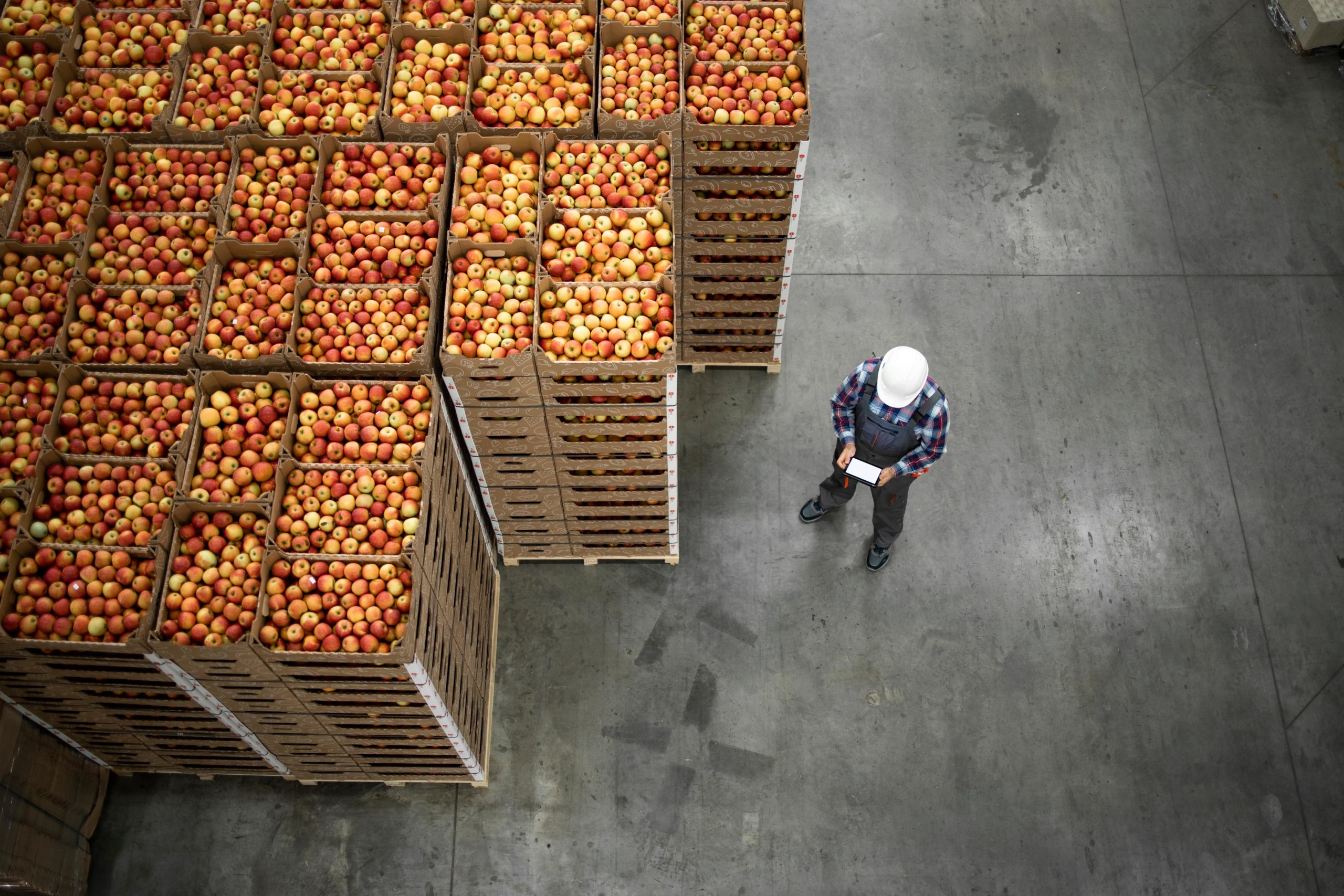
Managing inventory with a short shelf life presents unique challenges for businesses, especially in sectors such as food, pharmaceuticals, and floristry. Demand forecasting methods enable more precise predictions of customer demand. Using historical data and predictive analytics can aid in determining optimal order quantities, therefore helping to improve availability and reduce waste. Collaborating with sales and marketing teams ensures forecasts reflect events, promotional activities, or seasonal influences.
×
![]()
Last-Mile Delivery Optimisation
Last-mile delivery, from distribution centre to customer, is often the most complex and costly part of the supply chain. Advanced route optimisation software reduces travel time and fuel consumption using real-time traffic, weather, and roadworks data. Real-time tracking enhances transparency for customers and teams, enabling quick responses to delays. Micro-fulfilment centres closer to urban areas enable same-day delivery, whilst flexible delivery options (evening/weekend slots, pick-up points, lockers) reduce failed deliveries and boost customer satisfaction.
Analysing delivery data reveals patterns, bottlenecks, and demand forecasts that improve resource allocation and performance. Eco-friendly vehicles like electric vans and cargo bikes cut environmental impact and operating costs whilst enhancing brand reputation.
Hatmill’s supply chain specialists bring operational industry experience and insights into last-mile best practices. We help you evaluate route optimisation systems, assess micro-fulfilment strategies, and analyse delivery data to identify where investments will deliver the greatest service and cost improvements.

×
![]()
Regulatory Compliance in Food Logistics
The primary legal framework governing food safety in the UK is the Food Safety Act 1990, along with associated regulations such as the Food Hygiene (England) Regulations 2013 and their equivalents in Scotland, Wales, and Northern Ireland. In Ireland, the principal legislation is the Food Safety Authority of Ireland Act, 1998, and the European Communities (Hygiene of Foodstuffs) Regulations 2006.
All food must be handled, prepared, and stored in a hygienic manner to prevent contamination. Businesses must ensure traceability of food products and be able to withdraw or recall unsafe food from the market.

×
![]()
Seasonality and Promotional Planning
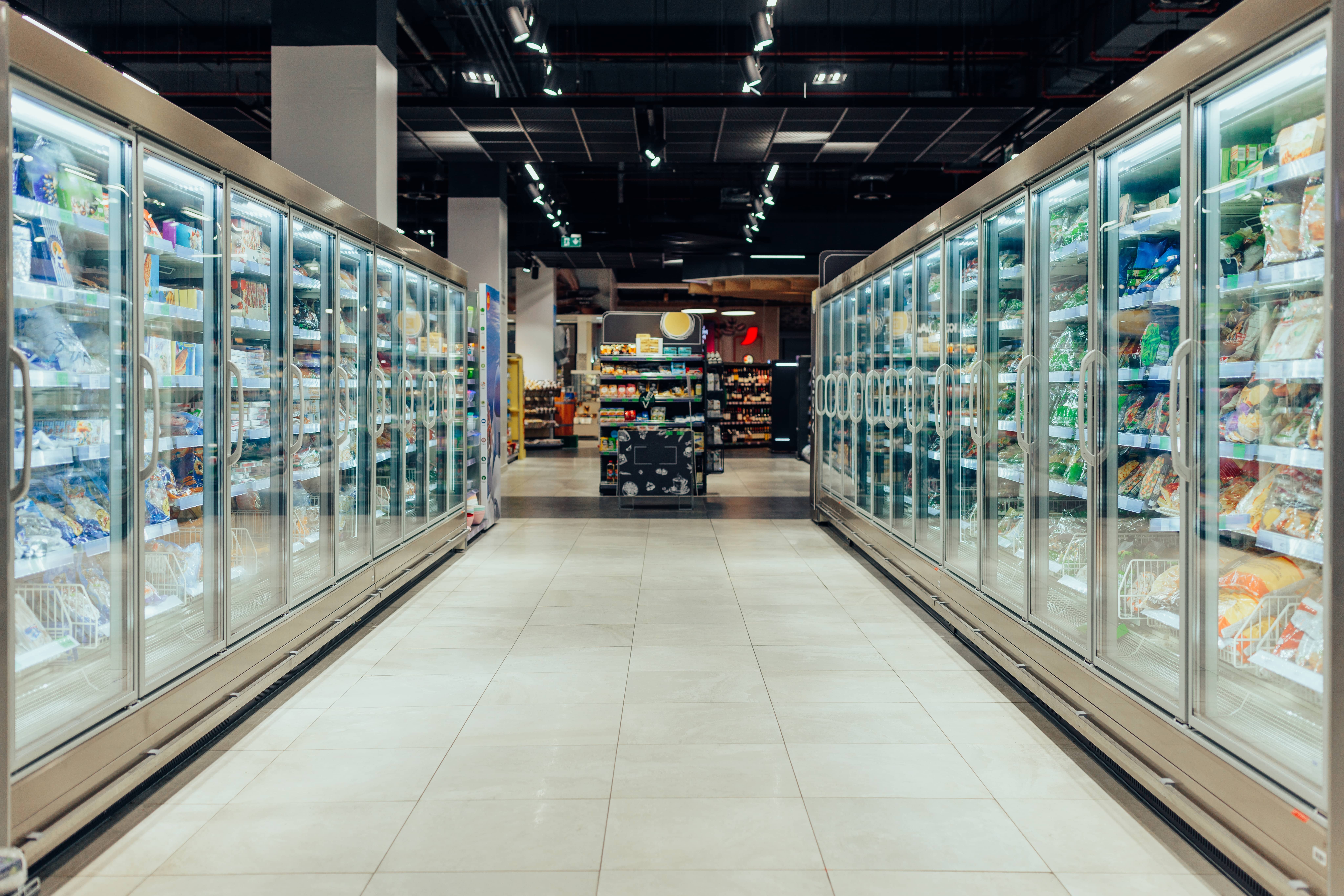
Seasonal changes and events, such as Easter and Christmas, bring significant increases in customer demand that require careful planning from suppliers to stores or direct to customers. Strategies to cope with this demand are put in place well ahead of the increase. Our team of over sixty consultants, all with industry backgrounds, can draw on their own experiences and those of the wider team when planning these events.
Below are some of the areas to focus on:
- Advance Planning: Forecast demand using historical data and market trends to prepare resources and inventory ahead of time.
- Review previous years lessons learnt: Ensure all lessons learnt from previous years and/or events have clear actions against them and have been tested.
- Understand your capacities and capabilities: stress test your assumptions and add assets or resources to support the gap. Review the impact of demand increases to be clear on operational break points.
- Flexible Workforce: Consider the use of fixed term contracts and/or develop relationships with employment agencies to secure temporary colleagues as needed.
- Automation: Volume test the solution and pull forward maintenance programmes to reduce downtime on peak days.
- Technology Investment: Use warehouse management systems (WMS) and transportation management systems (TMS) for real-time visibility and optimisation.
- Supplier Collaboration: Communicate closely with suppliers to anticipate potential delays and adjust orders accordingly.
- Customer Proposition: Agree changes to store or customer service levels in line with your capacities and capabilities.
- Customer Communication: Set realistic expectations and provide updates on order status to enhance customer satisfaction.
- Contingency Planning: Prepare for disruptions, such as severe weather or supply chain interruptions, with backup plans and alternative suppliers or carriers.
×
![]()
Warehouse Automation
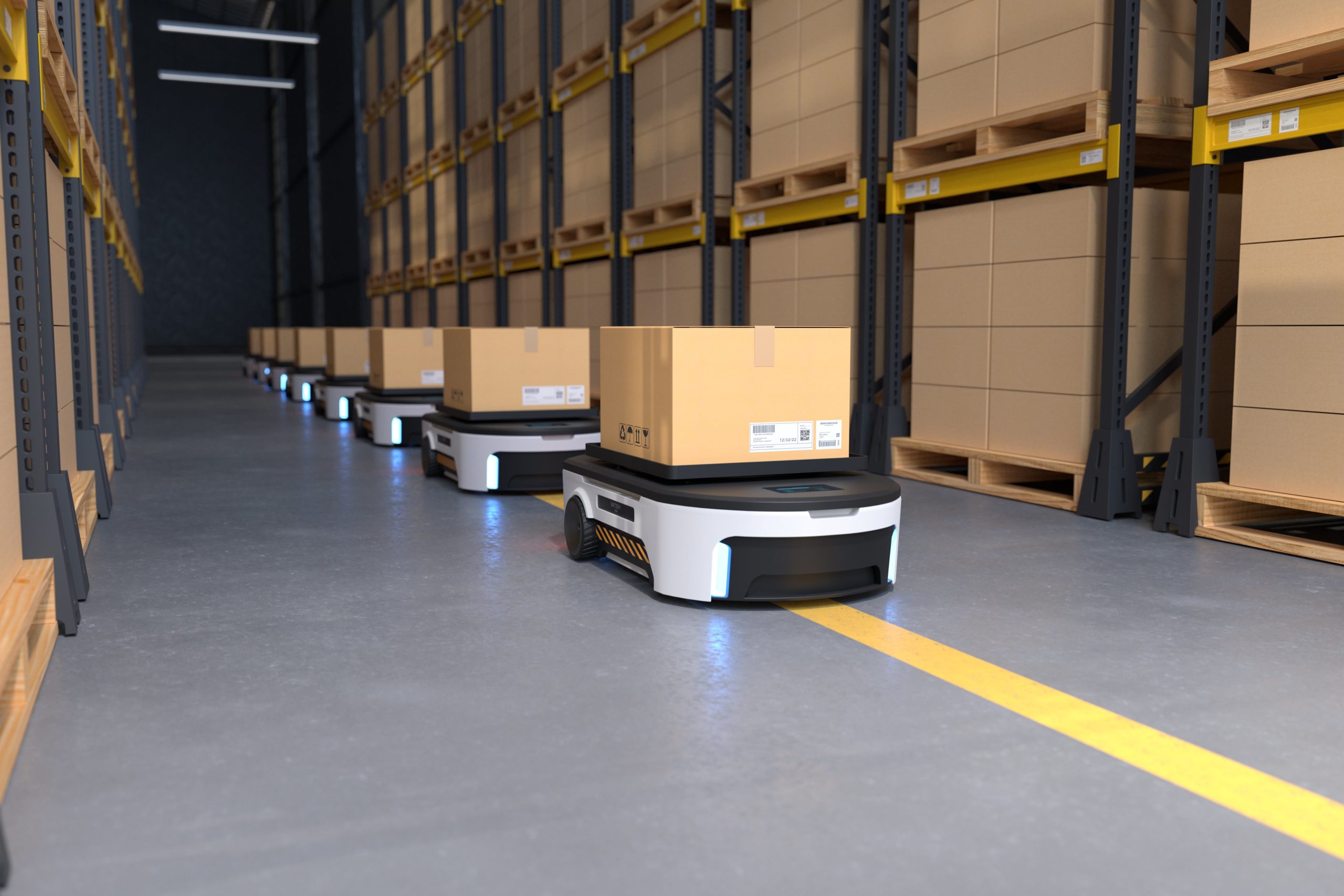
In recent years, automation has revolutionised food and drink warehousing, enabling faster throughput, greater accuracy, and lower costs. Automated warehouse picking, sorting, and storage systems (such as shuttles, AMRs, and AGVs) streamline product movement and minimise manual handling, helping to cut bottlenecks and enable rapid order fulfilment. As a result, overall throughput increases and storage is condensed to enable faster order fulfilment and improved customer satisfaction.
Stock Management Systems, integrated with WMS and WCS software, provide real-time visibility of inventory, reducing errors and safeguarding product integrity. Accurate tracking ensures that orders are picked correctly and discrepancies are resolved promptly, thereby enhancing customer satisfaction.
Beyond speed and precision, automation technologies offer significant labour-saving benefits. By reducing reliance on manual tasks, businesses can lower operational overheads and workplace injury risks. While upfront investment can be substantial, the ROI is compelling: long-term savings, improved efficiency, and scalable solutions for growth.
Choosing the right automated warehouse solution to fit your business needs can be complex, especially where you have multi-temperature environments and high operational demands. The team at Hatmill can assess your requirements and provide recommendations on the right automation system for your needs. We have the capability to manage the process from design through to implementation, working in collaboration with your internal teams through every step of the process.
×
![]()
Ideas & Insights
Related Insights
Our guides, ideas and views. Explore our insights to deliver tangible improvements to your supply chain and logistics operations.