

Article
Retail Supply Chain & Logistics
The retail supply chain connects product creation to customer delivery across multi-channel environments, encompassing sourcing, production, warehousing, transport, and distribution. Effective management maximises product quality, availability, and competitive pricing whilst responding to demand changes. Hatmill’s proven methodology assesses your supply chain, identifies improvement opportunities, and pinpoints strategic investments to enhance performance and reduce costs.
Overview
Supply Chains and Logistics in the Retail Industry
The retail sector has transformed rapidly through technological advancement, shifting consumer behaviours, and accelerated e-commerce adoption. Omnichannel strategies such as integrating click-and-collect, collection points, rapid delivery, and seamless returns are now essential for competitive customer propositions. Demands for sustainable logistics and supply chains are rising, with retailers reducing packaging, minimising waste, and ensuring ethical supply chains.
Whilst omnichannel expansion and data analytics create growth opportunities, retailers face fierce competition alongside rising costs from inflation, energy, and labour. Price pressure, customer retention, and supply chain resilience remain critical priorities amid economic uncertainty, geopolitical risks, and labour shortages.
How can Hatmill Help?
With over 15 years’ retail sector experience, Hatmill uses proven methodologies to assess your needs from business strategy through to solution integration. We help identify investment opportunities and cost savings across your supply chain, ensuring resilience whilst maintaining service levels. For businesses where logistics isn’t a core function, our expert 3PL outsourcing and tender management service helps you find the right partner to support your omnichannel ambitions.
Industry Specific Services
Omnichannel Fulfilment
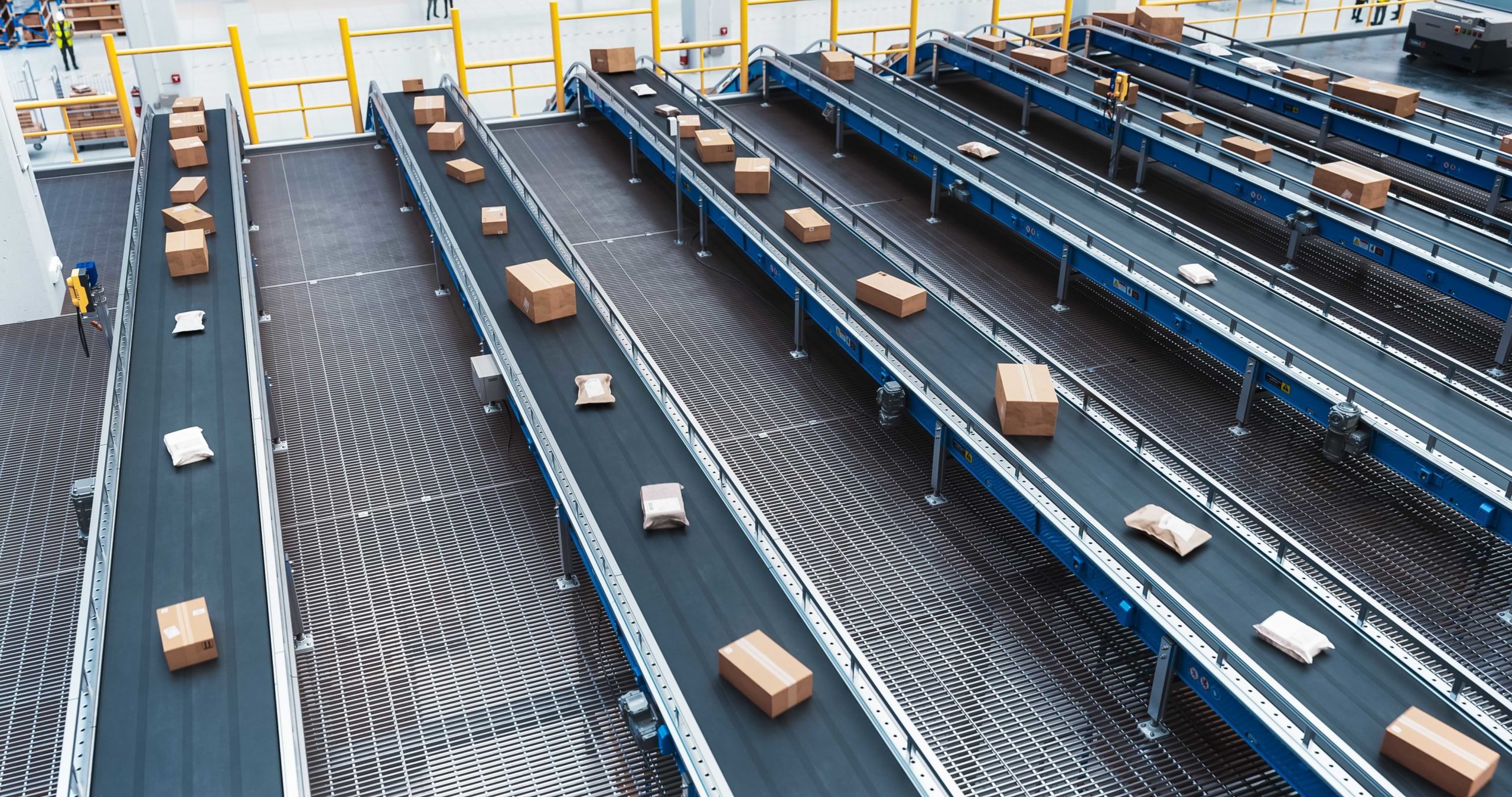
Omnichannel fulfilment strategies allow you to unify inventory, order management, and delivery processes. This enables customers to enjoy flexible options such as buying online and picking up in-store (BOPIS), home delivery, click-and-collect, or even returning online purchases to a physical location.
Unified inventory management allows the retailer to maintain a single view of inventory across all channels, allowing for real-time stock updates and optimised allocation of products to provide the best possible level of availability for the customer. Orders can be fulfilled from a variety of locations, including warehouses, physical shops, or third-party collection points, based on what is most efficient and convenient for the customer.
Retailers will use technology to connect channels, streamline operations, and provide dynamic order tracking and visibility. Omnichannel fulfilment supports hassle-free returns, allowing customers to return items through any channel, further enhancing satisfaction and loyalty.
×
![]()
Last-Mile Delivery Optimisation
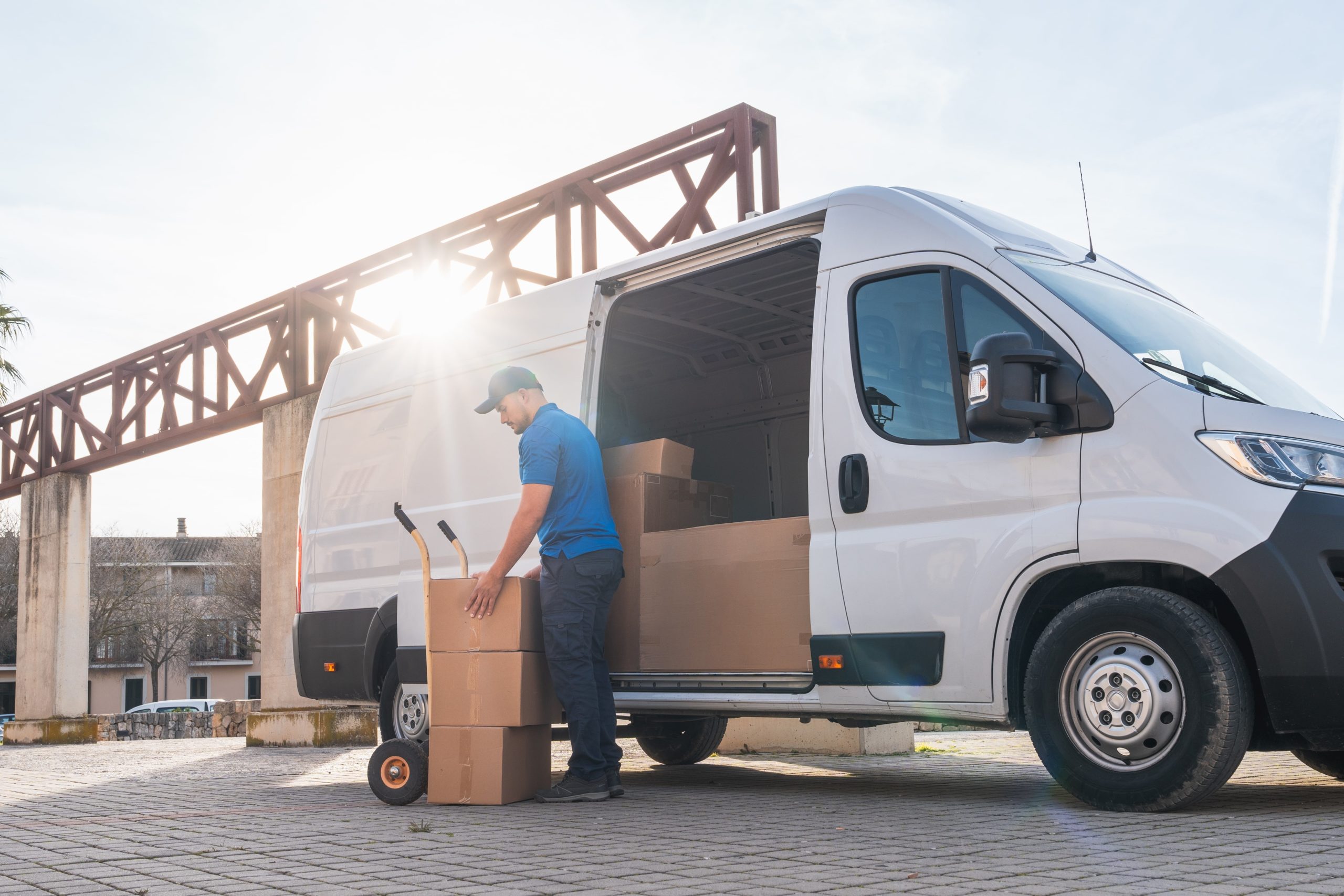
Last-mile delivery, from distribution centre to customer, is often the most complex and costly supply chain segment. Advanced route optimisation software reduces travel time and fuel consumption using real-time traffic, weather, and roadworks data to dynamically adjust routes and minimise delays. Real-time tracking enhances transparency, enabling customers to receive accurate delivery windows whilst businesses respond quickly to unexpected issues.
Establishing micro-fulfilment centres closer to densely populated areas shortens delivery times, enabling same-day or same-hour options. Flexible delivery choices, evening/weekend slots, pick-up points, parcel lockers, reduce failed attempts and boost first-time success rates whilst enhancing customer satisfaction and cutting redelivery costs.
Analysing historical delivery data reveals patterns, bottlenecks, and demand forecasts that improve resource allocation and performance. Eco-friendly vehicles like electric vans and cargo bikes reduce environmental impact and operating costs whilst enhancing brand reputation in increasingly supportive urban areas.
Hatmill’s supply chain specialists bring operational industry experience and insights into last-mile best practice. We help you evaluate route optimisation systems, assess micro-fulfilment strategies, and analyse delivery data to identify investments that deliver competitive advantage through improved service and reduced costs.
×
![]()
Reverse Logistics and Returns Management
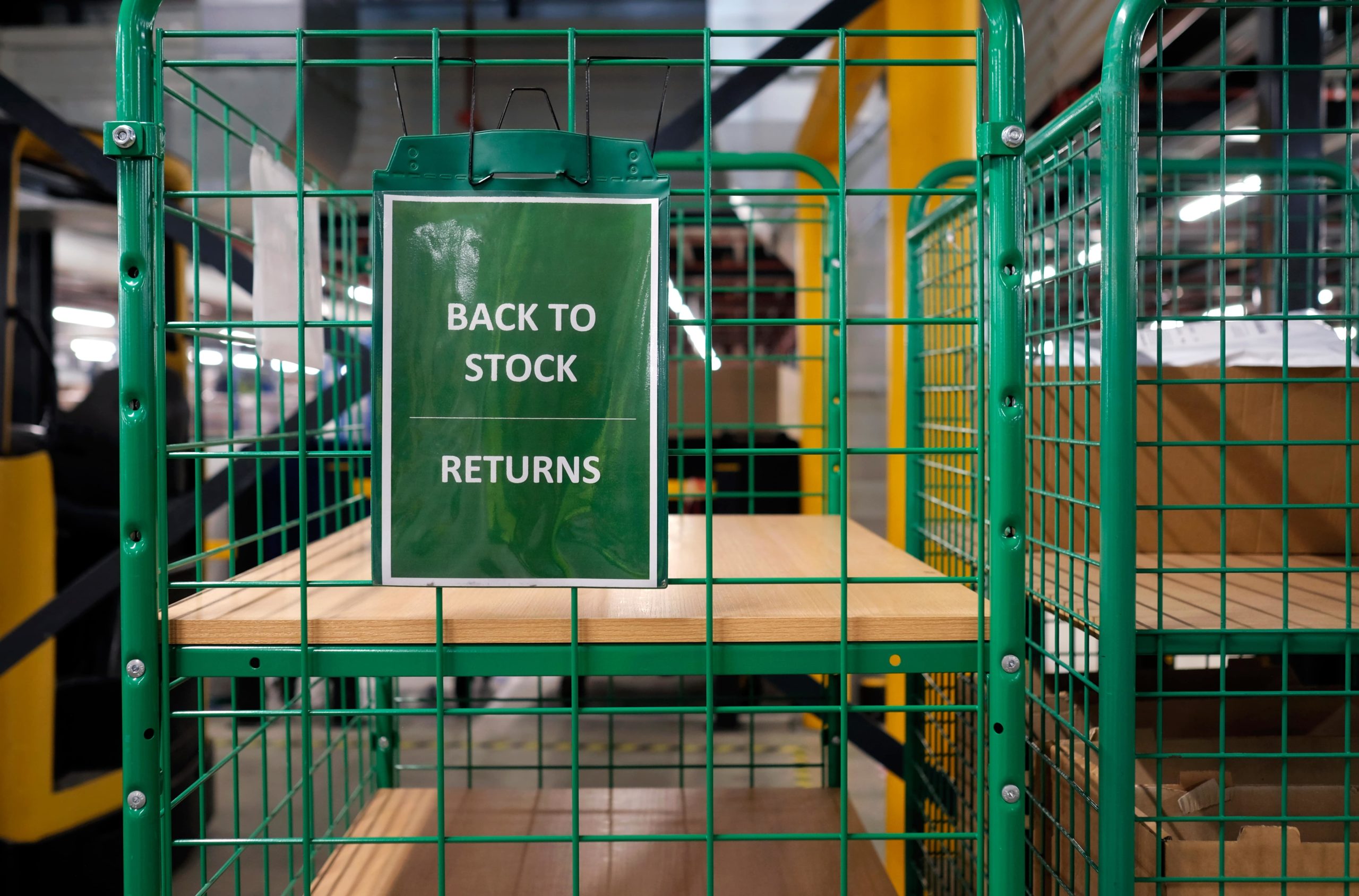
Returns are an inevitable aspect of the retail industry, whether due to faulty products, customer dissatisfaction, or incorrect orders. Efficient handling of returns is crucial for maintaining customer satisfaction, reducing operational costs, and minimising losses. Retailers establish clear, customer-friendly returns policies to streamline the process.
Retailers develop robust reverse logistics systems to manage the movement of returned goods from the customer back to the warehouse or manufacturer. This includes efficient transportation, sorting, and restocking procedures. Items in sellable condition are returned to inventory, while defective or unsellable items are processed for repair, recycling, or disposal.
Analysing return data helps retailers identify trends, such as frequently returned products or reasons for returns. This feedback can inform product development, supplier negotiations, and improvements to customer service. Proactive use of data can reduce future returns and improve overall efficiency.
×
![]()
Inventory Management and Demand Forecasting
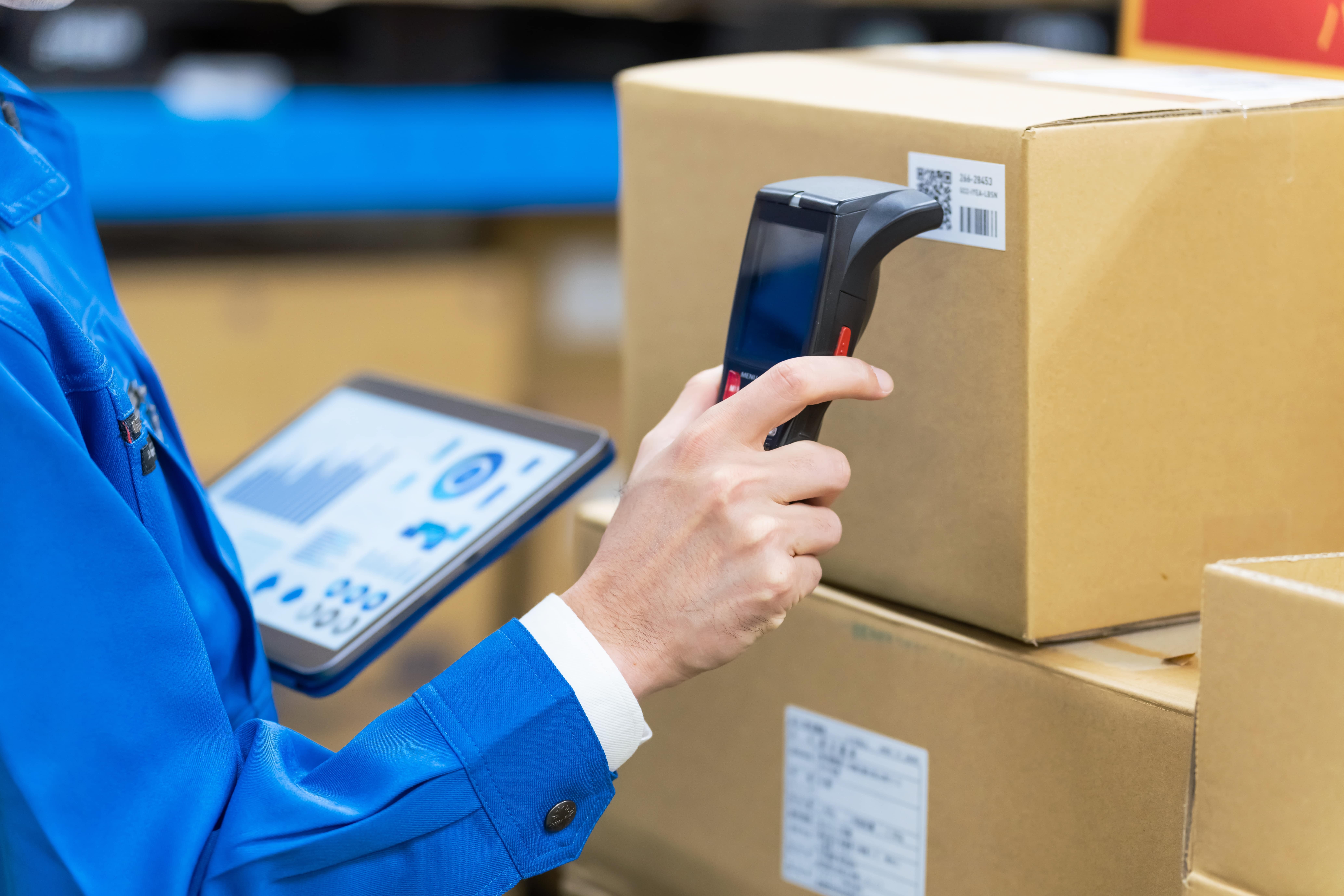
The integration of data analytics and AI in demand forecasting and inventory management offers significant benefits.
- Increased forecasting accuracy and responsiveness: Data analytics can identify long-term trends in sales data, whilst AI-driven models can automatically detect hidden patterns and relationships in data that traditional methods might miss.
- Lower inventory holding costs: By analysing sales data, lead times, and supplier performance, analytics tools can recommend optimal inventory levels to meet anticipated demand. AI systems can trigger automatic reordering based on forecasted demand, reducing the risk of human error.
- Improved customer satisfaction and sales through better product availability.
- Enhanced agility in responding to market changes: AI can update forecasts in real time as new data becomes available, allowing for rapid response to market changes.
However, challenges remain, such as ensuring data quality, integrating new technologies with existing systems, and developing the necessary skills within the teams.
×
![]()
Technology Integration in Retail Logistics
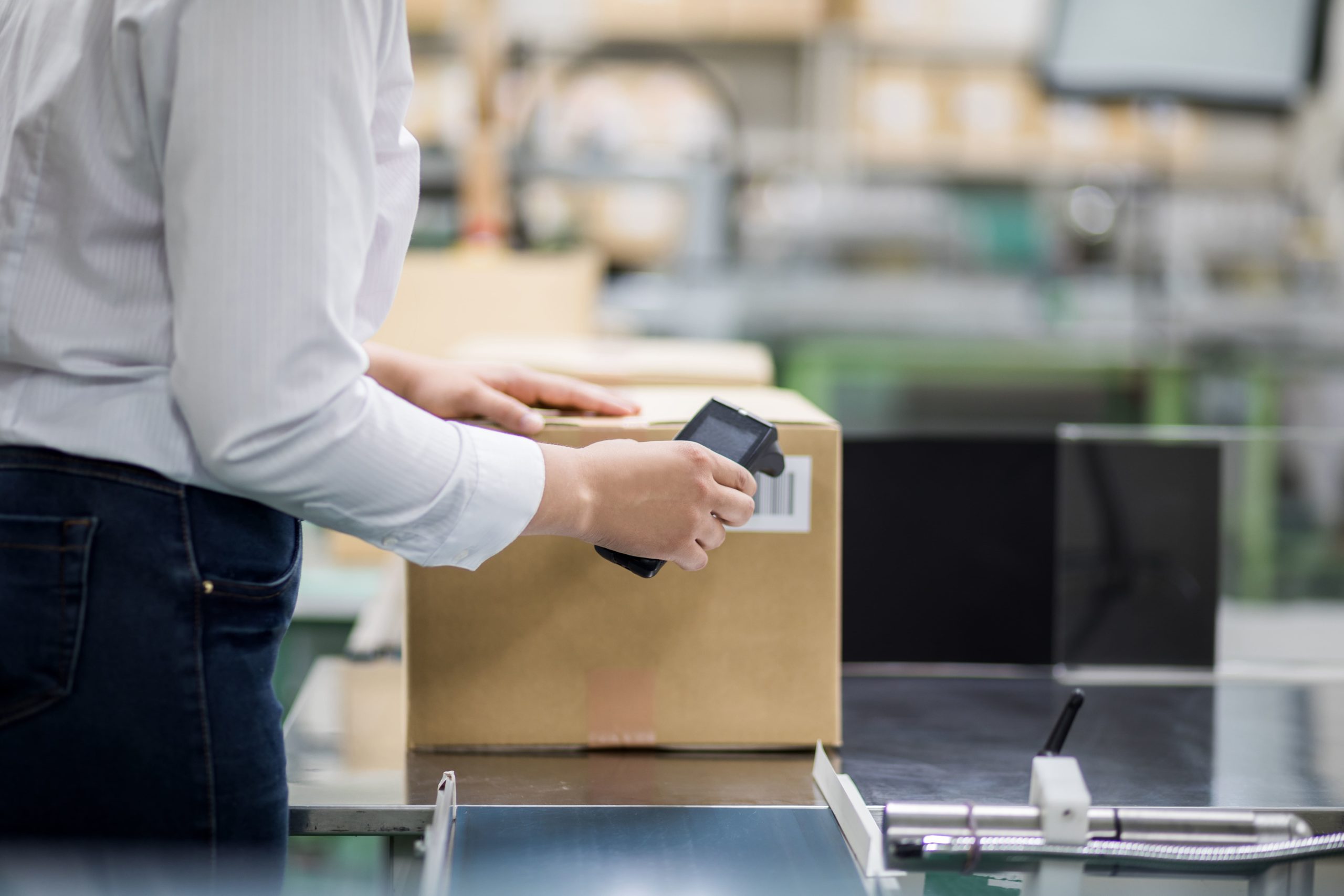
The adoption of new technologies continues to play a significant role in the development of retailers’ supply chains. For example, Radio Frequency Identification (RFID) has helped improve stock accuracy, reduced stock loss and increased inventory accuracy. Warehouse automation continues to play a significant part in reducing operating costs, improving inventory accuracy, and improving the speed at which goods arrive with the customer. As well as helping to improve demand forecasting, AI is also playing a key role in optimising transport routes and personalising offers for customers.
×
![]()
Bonded Warehousing
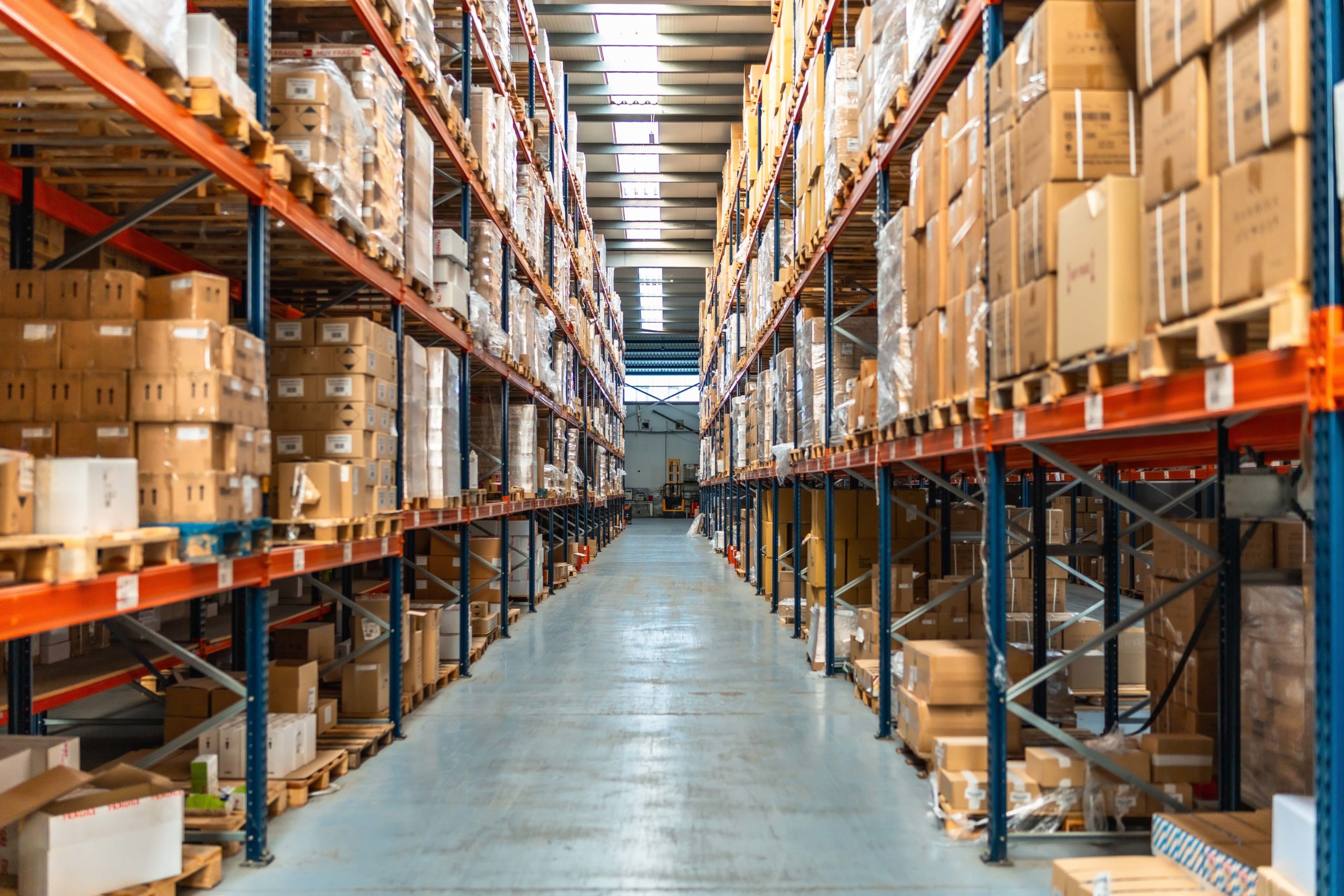
Bonded warehousing is a specialised storage solution where imported goods are held under customs control until duties and taxes are paid. This system offers several advantages to retailers, particularly those involved in international trade or dealing with imported products.
Retailers using bonded warehouses do not need to pay import duties and taxes immediately upon arrival of their goods. Instead, payment is deferred until the goods are removed from the warehouse for sale or distribution, leading to improved cash flow. This capability is especially useful for seasonal or high-value goods, enabling retailers to respond quickly to market demand.
Goods stored in bonded warehouses can be re-exported without incurring import duties, giving retailers the flexibility to redirect stock to different markets as business opportunities arise. This is particularly beneficial for retailers engaged in cross-border trade or e-commerce, as it simplifies logistics and reduces costs.
×
![]()
Ideas & Insights
Related Insights
Our guides, ideas and views. Explore our insights to deliver tangible improvements to your supply chain and logistics operations.