

Article
Fashion Supply Chain & Logistics
The fashion sector encompasses design, production, distribution, and retail of apparel and accessories. It’s a major European industry generating hundreds of billions in turnover and employing millions. Highly competitive and fast-moving, the sector faces constant pressure to balance style, affordability, and sustainability whilst meeting rapid shifts in consumer demand.
Overview
Supply Chain and Logistics in the Fashion Industry
The fashion sector faces complex challenges around compliance, ethical sourcing, and managing global supply chains that span multiple countries. Businesses must navigate product safety regulations, sustainability requirements, and the intricacies of sourcing raw materials whilst ensuring timely delivery to meet rapidly shifting consumer trends and seasonal collections. E-commerce growth, supply chain globalisation, and technological advances like AI-driven design are driving significant expansion. However, economic uncertainty, geopolitical risks, climate disruptions, and…
The fashion sector faces complex challenges around compliance, ethical sourcing, and managing global supply chains that span multiple countries. Businesses must navigate product safety regulations, sustainability requirements, and the intricacies of sourcing raw materials whilst ensuring timely delivery to meet rapidly shifting consumer trends and seasonal collections.
E-commerce growth, supply chain globalisation, and technological advances like AI-driven design are driving significant expansion. However, economic uncertainty, geopolitical risks, climate disruptions, and labour shortages create operational pressures. With much of the UK’s clothing imported from overseas, building resilient supply chains is essential.
Competition is fierce, and consumers have endless choices. Accurate demand forecasting, inventory management, and timely replenishment are critical, but poor product availability or quality can quickly drive customers to competitors. The growth opportunity is significant, but success requires supply chains that balance risk management with cost efficiency through automation, waste reduction, and sustainability.
How can Hatmill help?
Understanding your end-to-end supply chain performance and capacity is vital. Hatmill helps fashion businesses develop supply chain strategies aligned to commercial objectives, identifying where and when to invest in warehousing, automation, transportation, inventory systems, or outsourcing. We test plans against ‘what if’ scenarios to validate investment decisions, build resilience, and ensure your operations can flex with market demands whilst maintaining service levels and controlling costs.
- Fashion supply chains face complexity, risk and fast-changing demand.
- Hatmill aligns supply chain strategy with commercial and operational goals.
- Scenario planning improves resilience, cost control and service performance.
×
![]()
Industry-Specific Services
Sustainable Sourcing and Compliance
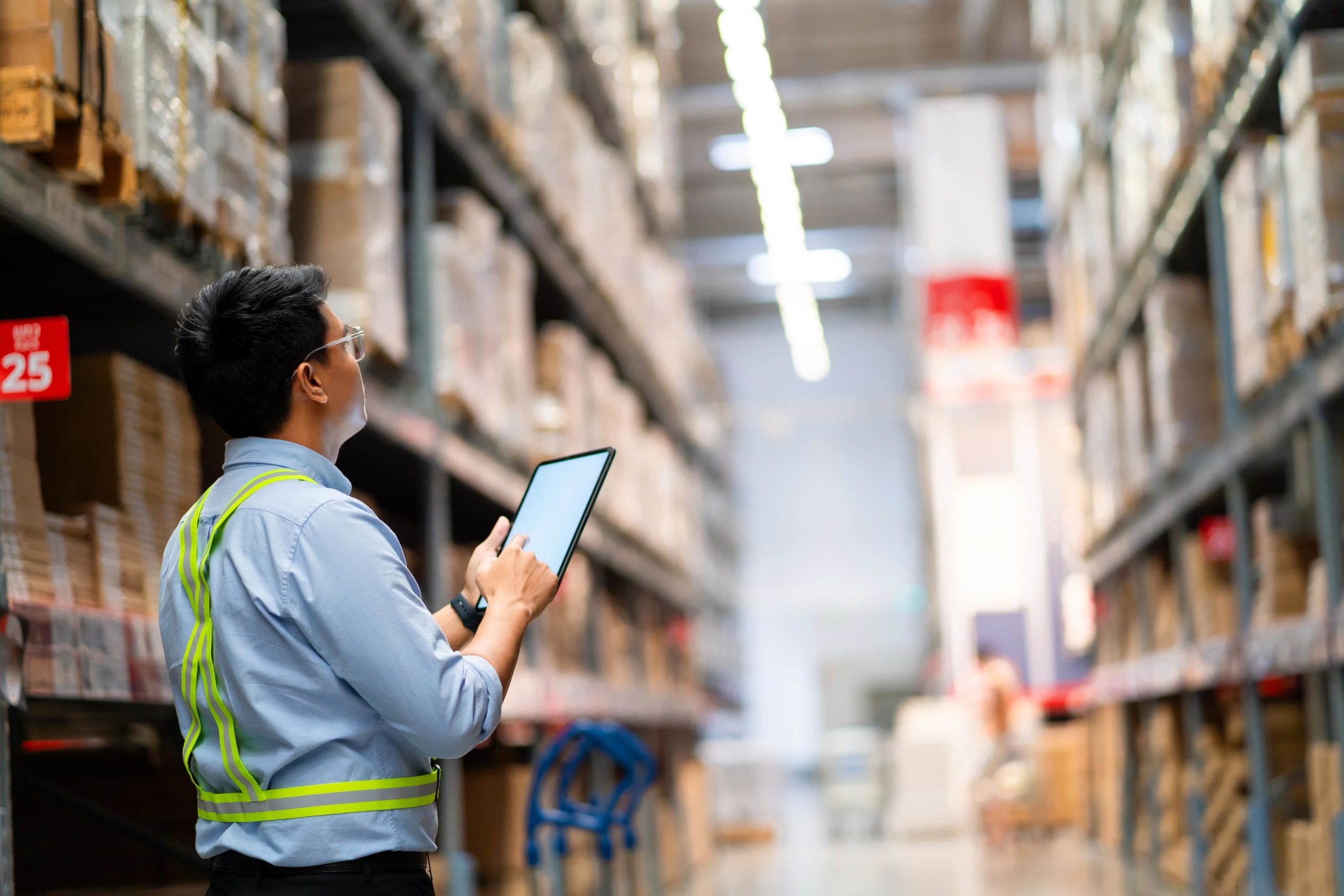
Fashion is highly seasonal, with collections tied to spring/summer and autumn/winter cycles, as well as promotional events like Black Friday. Managing inventory effectively requires advanced forecasting tools that leverage historical data and predictive analytics. Collaboration between merchandising and marketing teams ensures forecasts reflect trends, promotions, and cultural events.
- Fashion brands face growing pressure to improve sustainability and ethics.
- Supply chain transparency and traceability are becoming essential.
- Digital tools help track materials, emissions and labour practices.
×
![]()
Inventory Management for Seasonal Collections
Fashion is highly seasonal, with collections tied to spring/summer and autumn/winter cycles, as well as promotional events like Black Friday. Managing inventory effectively requires advanced forecasting tools that leverage historical data and predictive analytics. Collaboration between merchandising and marketing teams ensures forecasts reflect trends, promotions, and cultural events.
- Fashion demand is highly seasonal and promotion driven.
- Advanced forecasting improves inventory planning and availability.
- Cross team collaboration aligns demand with market trends.
×
![]()
In-house vs 3PL
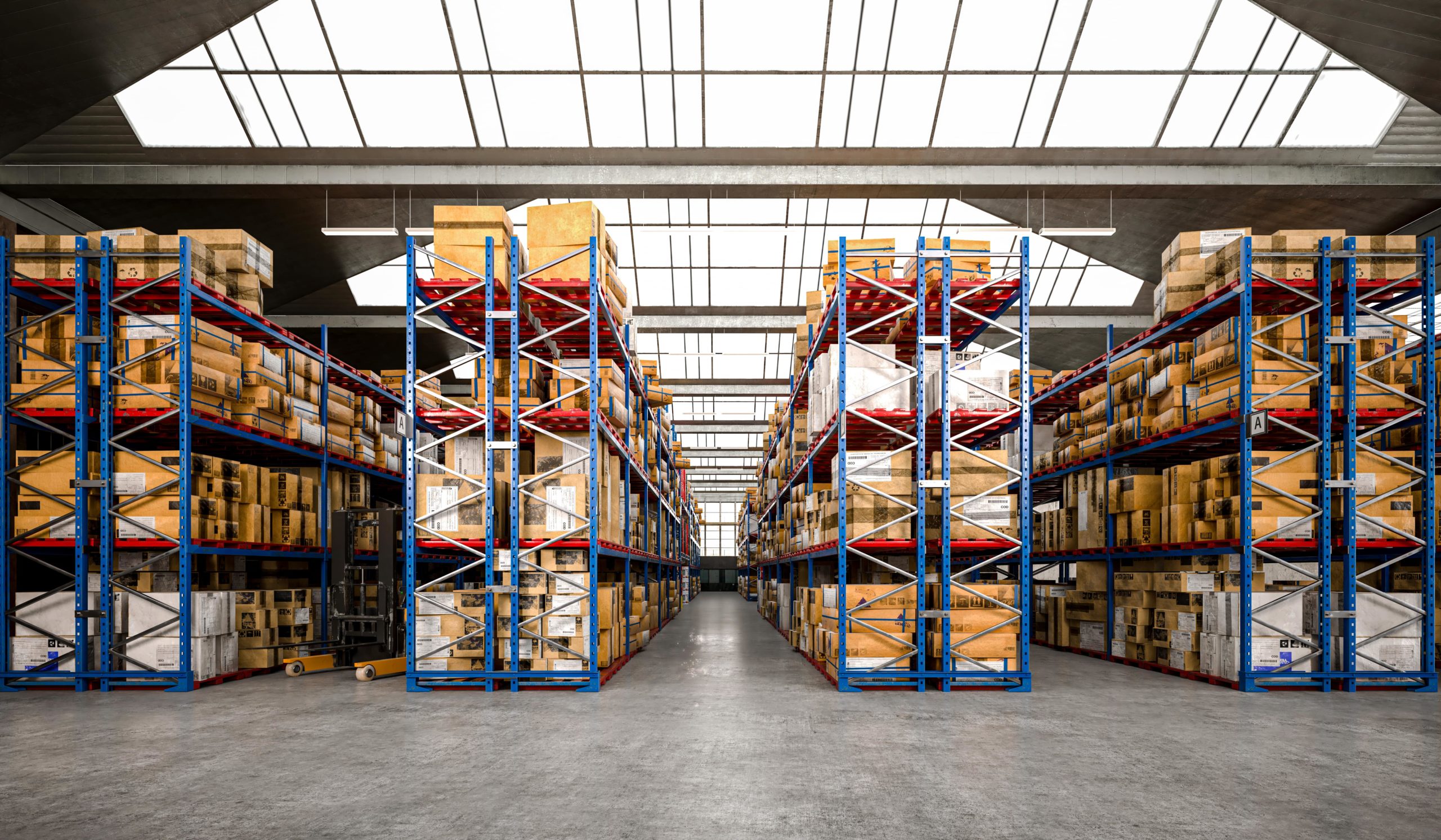
Retailers choose 3PLs for flexible capacity, specialised expertise, and rapid scaling, especially during seasonal peaks or when focusing on core business. In-house logistics offers greater control and customisation, suiting brands with unique requirements or stable volumes. The decision depends on cost, agility, and customer expectations, with many reassessing as their business evolves.
- Retailers choose 3PL or in-house logistics based on flexibility and control.
- 3PLs support scaling and seasonal demand, while in-house offers customisation.
- The right model depends on cost, agility and customer expectations.
×
![]()
Flat vs GOH (Garments on Hangers)
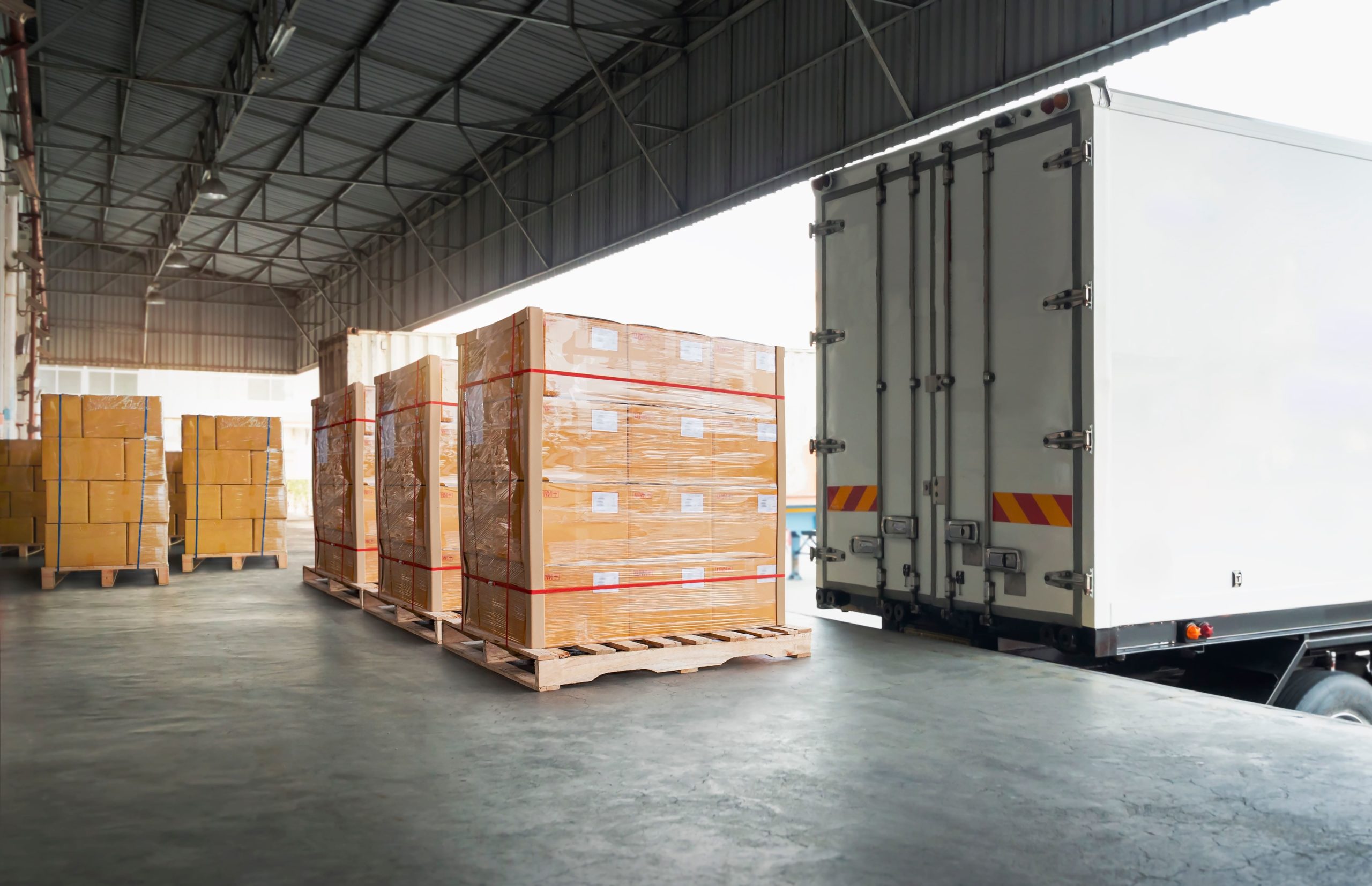
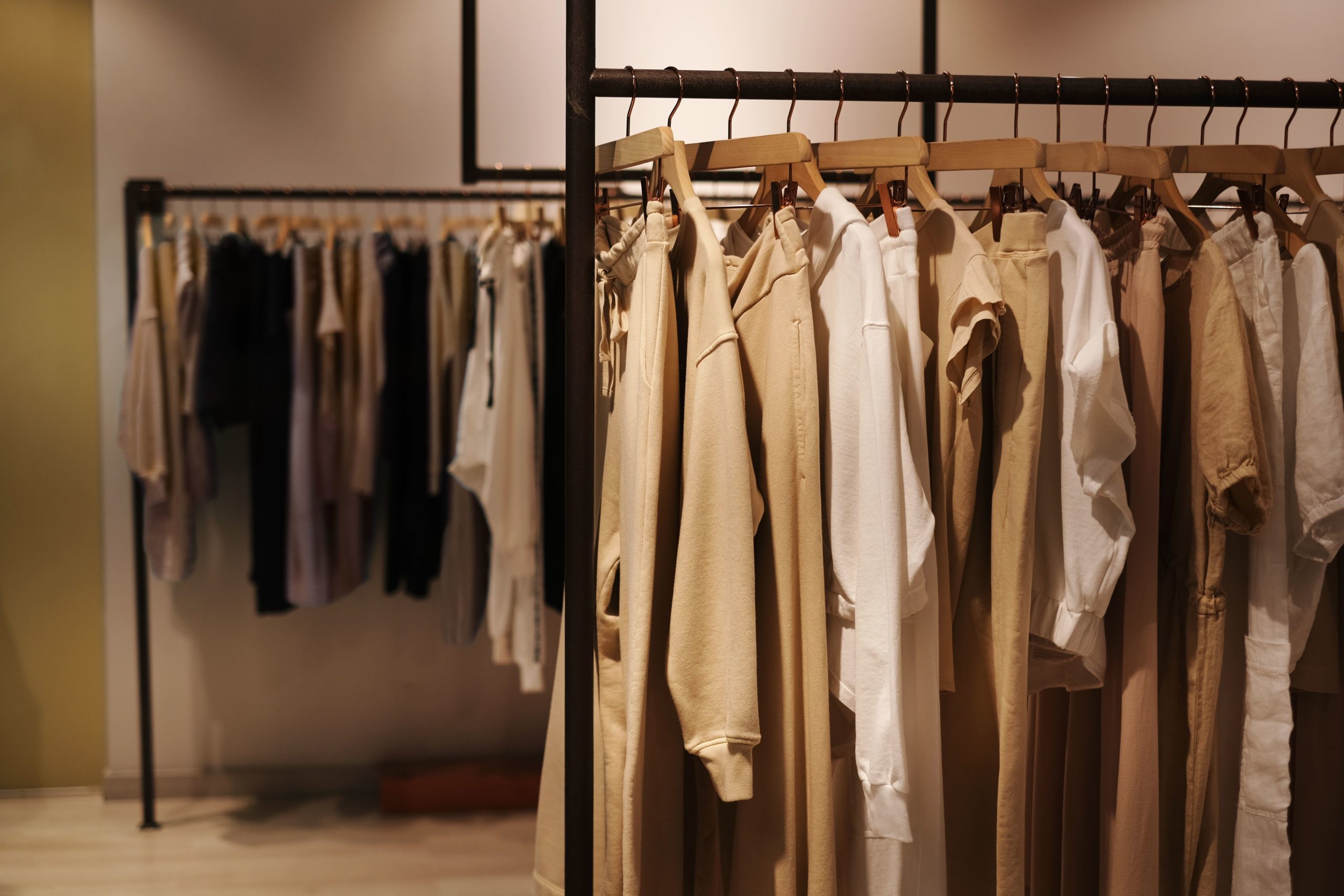
The percentage of goods stored throughout the supply chain journey as GOH has decreased over time across a lot of the industry. The cost of GOH from a supply chain perspective is 20-40% more expensive than flat/boxed. Businesses have looked at the importance of product presentation, and where the activity needs to happen i.e. steam in depot and deliver as hanging, or deliver in boxes and steam in store. The…
The percentage of goods stored throughout the supply chain journey as GOH has decreased over time across a lot of the industry. The cost of GOH from a supply chain perspective is 20-40% more expensive than flat/boxed. Businesses have looked at the importance of product presentation, and where the activity needs to happen i.e. steam in depot and deliver as hanging, or deliver in boxes and steam in store. The increase in e-commerce has challenged businesses to rethink bringing in goods on hangers from supplier, when they are going out to a customer in a bag anyway.
- GOH handling is decreasing due to higher cost versus boxed goods.
- Businesses are rethinking where product presentation should happen.
- E-commerce growth is shifting supply chain packaging and handling decisions.
×
![]()
Last-Mile Delivery Optimisation
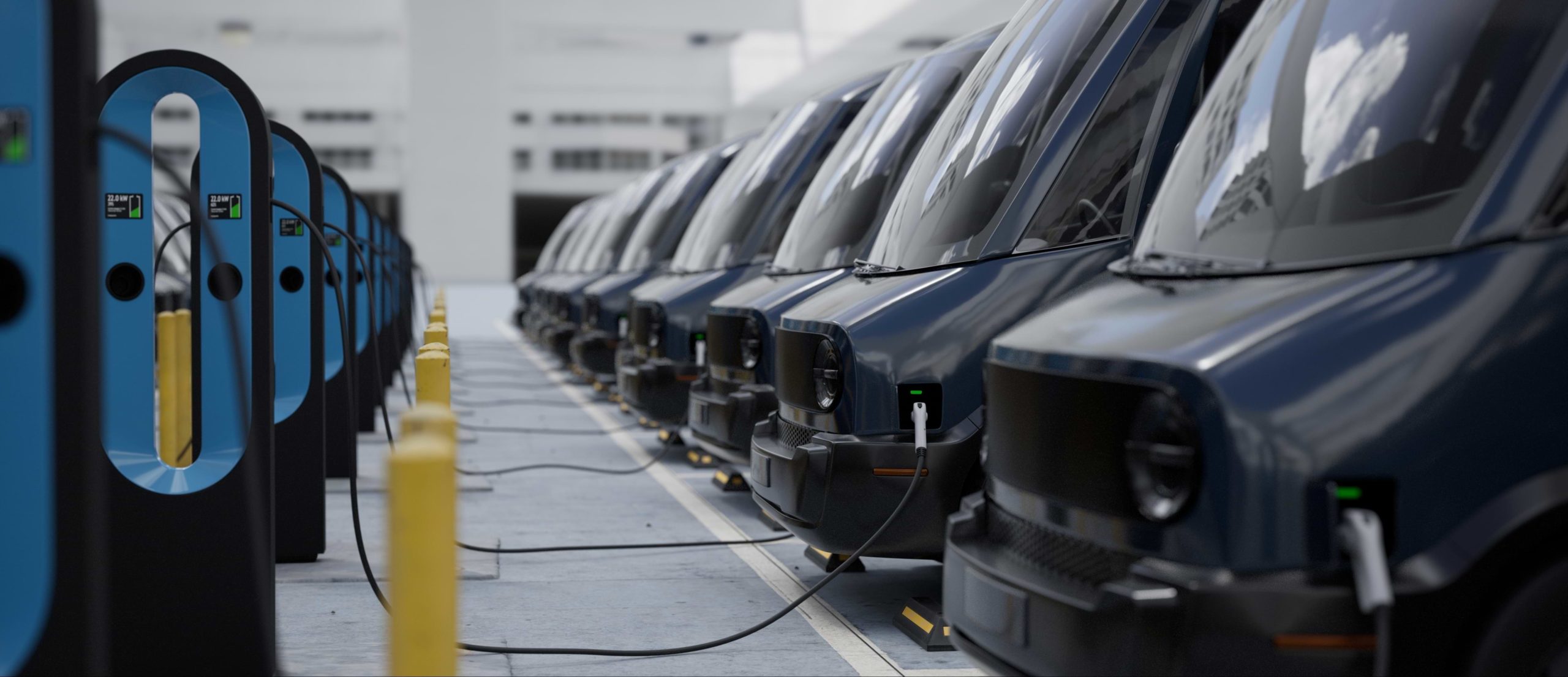
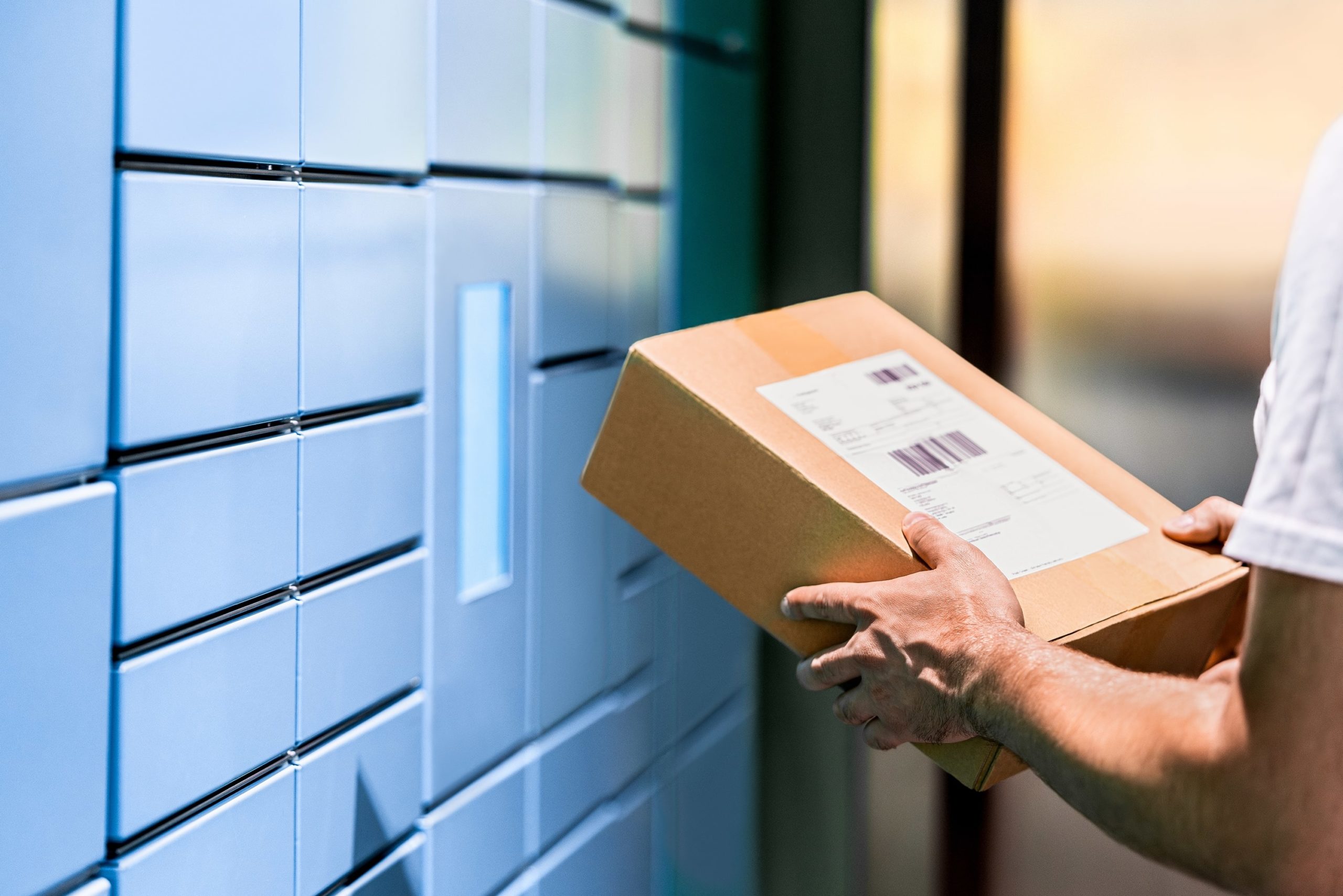
E-commerce has transformed fashion retail, making last-mile delivery a critical component of customer experience. Advanced route optimisation software and real-time tracking improve delivery speed and transparency. Micro-fulfilment centres near urban hubs enable same-day delivery, while flexible options like parcel lockers and evening slots enhance convenience. Incorporating eco-friendly delivery methods, such as electric vans or cargo bikes supports sustainability goals and brand reputation.
- E-commerce makes last-mile delivery a key customer experience driver.
- Route optimisation and tracking improve speed, visibility and efficiency.
- Sustainable delivery options support emissions reduction and brand value.
×
![]()
Seasonality and Promotional Planning
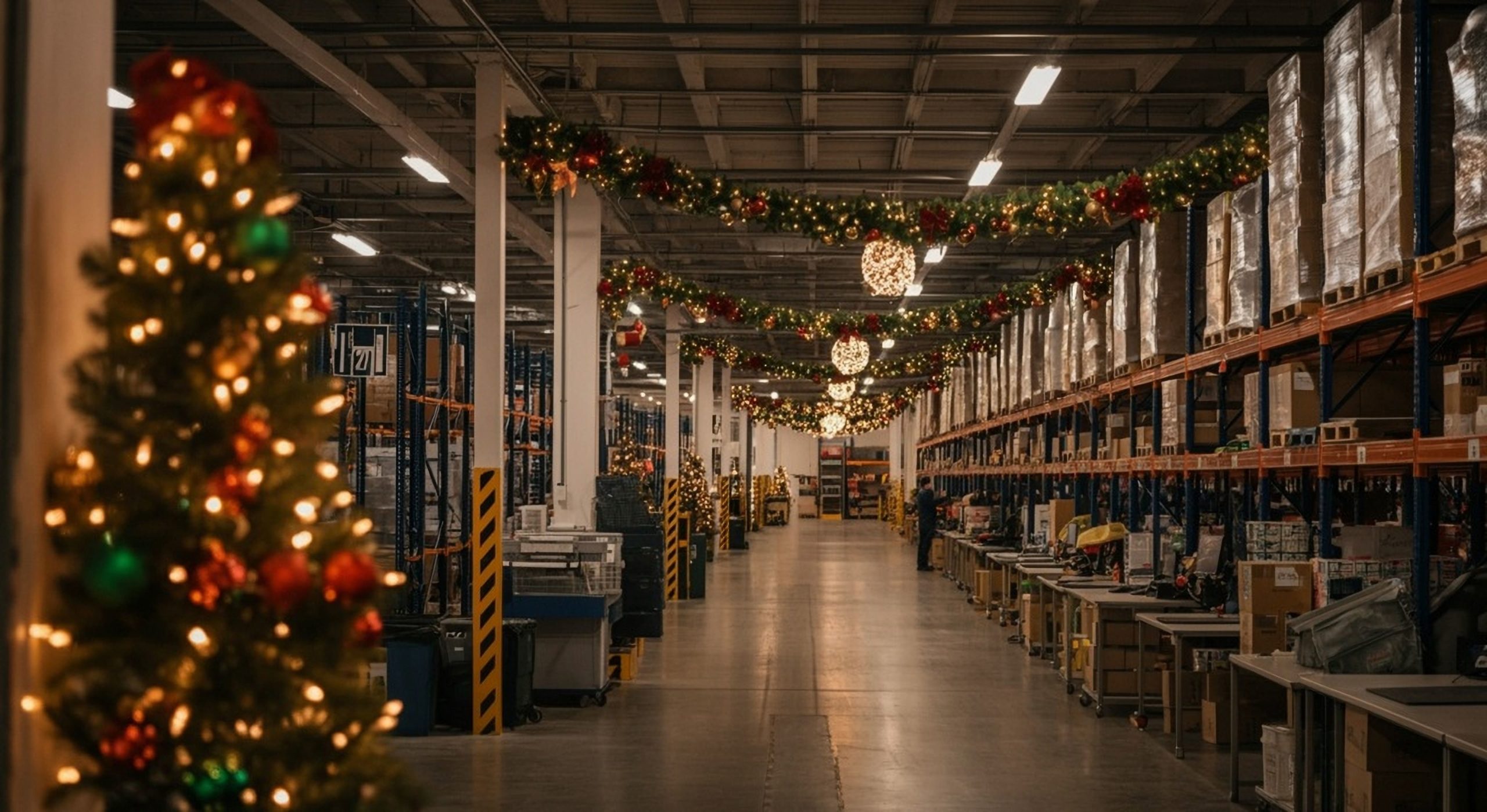
Seasonal peaks such as Christmas, summer holidays, and major fashion weeks require careful planning. Key strategies include:
- Advance Planning: Use historical data and trend analysis to forecast demand.
- Capacity Assessment: Add resources or assets to meet peak demand.
- Flexible Workforce: Secure temporary staff through agencies or short-term contracts.
- Automation: Test systems ahead of peak periods to minimise downtime.
- Technology Investment: Deploy WMS and TMS for real-time visibility.
- Supplier Collaboration: Communicate early to mitigate delays.
- Customer Communication: Set realistic expectations and provide timely updates.
- Contingency Planning: Prepare for disruptions with backup suppliers and carriers.
×
![]()
Warehouse Automation
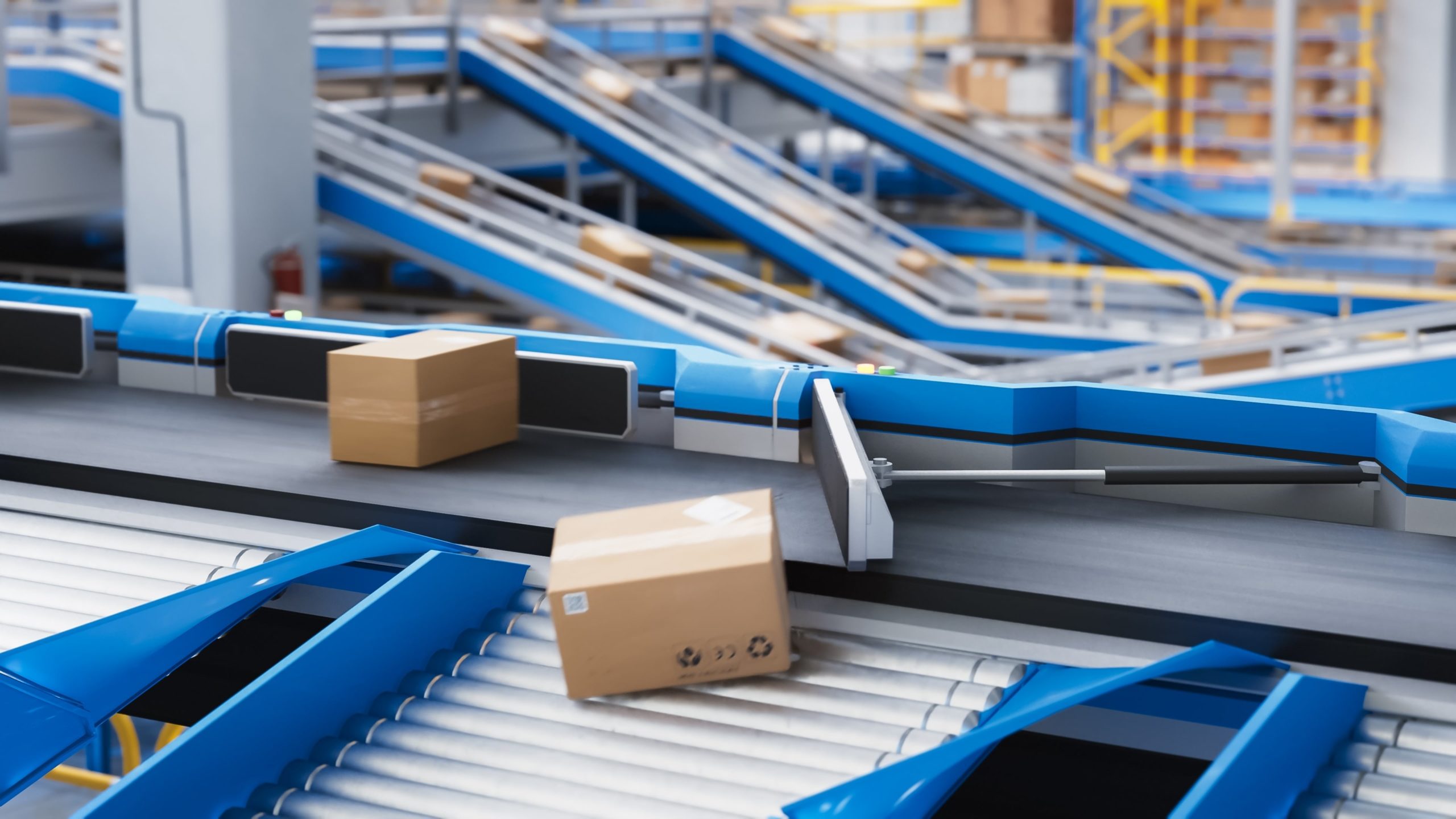
Automation is revolutionising fashion logistics, improving efficiency and reducing costs. Warehouse technologies such as automated storage systems, robotic picking, and RFID tracking streamline operations, minimise errors and accelerate order fulfilment. While initial investment can be high, automation delivers long-term benefits through reduced labour costs, improved accuracy, and enhanced scalability. Fashion was an early adopter for a lot of the technology and automation that you see today, such as miniloads, shuttle…
Automation is revolutionising fashion logistics, improving efficiency and reducing costs. Warehouse technologies such as automated storage systems, robotic picking, and RFID tracking streamline operations, minimise errors and accelerate order fulfilment. While initial investment can be high, automation delivers long-term benefits through reduced labour costs, improved accuracy, and enhanced scalability.
Fashion was an early adopter for a lot of the technology and automation that you see today, such as miniloads, shuttle systems, pouch and hanging solutions. The automation and mechanisation solutions used 20+ years ago have been adapted but the fundamentals are still the same. The change is mainly in how organisations have adapted to the change of delivering to an e-commerce customer.
As funding options have changed for automation, allowing large CAPEX projects to have the option to be funded and charged back as OPEX, it has opened the door to more retailers being able to invest. Whether fixed or roaming automation is the right answer for your business, we’ve now entered an era where options are available to small to medium businesses, as well as large volume retailers.
- Automation improves efficiency, accuracy and cost in fashion logistics.
- Fashion has long used warehouse automation adapted for e-commerce demand.
- New funding models make automation accessible to more businesses.
×
![]()
General focal areas within the industry
There is a big difference in what is important as the product quality/price increases. Reducing the packing efficiency of a £12k coat by 50p per unit is not an important factor to a luxury retailer, however that has a huge bearing on the cost to serve as a percentage of sales to a fast fashion retailer. The split between ecom and retail volume massively impacts the logistics strategy. Over the…
There is a big difference in what is important as the product quality/price increases. Reducing the packing efficiency of a £12k coat by 50p per unit is not an important factor to a luxury retailer, however that has a huge bearing on the cost to serve as a percentage of sales to a fast fashion retailer.
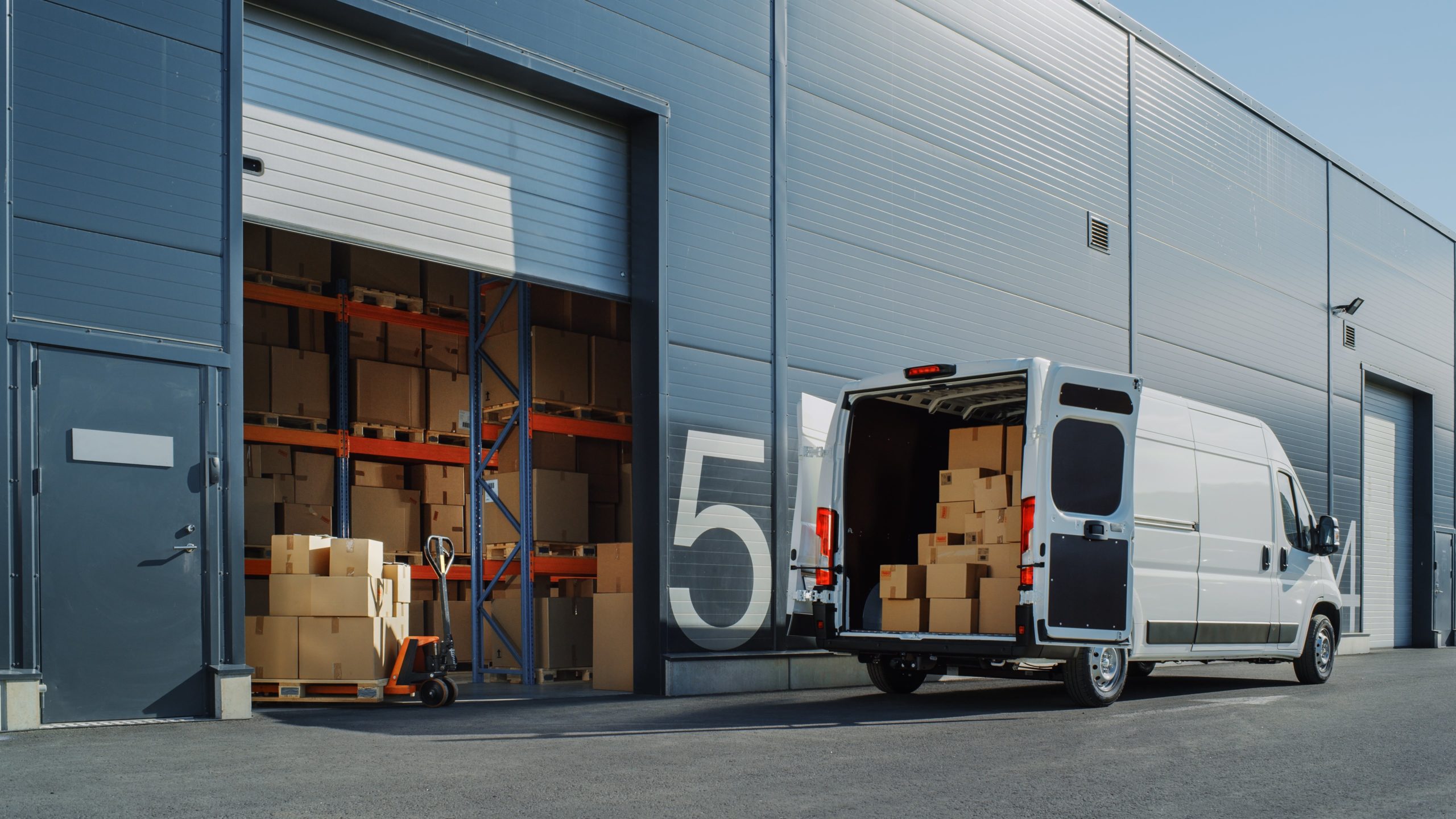
The split between ecom and retail volume massively impacts the logistics strategy. Over the last two decades, many organisations have had to adapt warehouses that were set up for retail store picks into ecom facilities. This speed was increased with the ecom boom post pandemic.
- Product value and margin shape logistics priorities and cost sensitivity.
- E-commerce growth has driven major shifts in warehouse and fulfilment design.
- Retailers have adapted legacy store networks to support online fulfilment.
×
![]()
How Hatmill have helped in this industry
We have supported organisations across the industry, from luxury brands to discount retailers, and the 3PLs that serve them.
We’ve:
- Simplified central functions
- Implemented controls with buying and merch
- Supported the best routing and freight decisions
- Designed new network structures and service models to customers
- Improved joined up planning process across the organisation
- Designed and implemented new technology and ways of working
- Supported outsourcing and 3PL tenders and conversions
We factor in what the customer proposition is, what the business principles are, and how they are likely to change over time.
×
![]()
Ideas & Insights
Related Insights
Our guides, ideas and views. Explore our insights to deliver tangible improvements to your supply chain and logistics operations.